
Acute Tendinitis
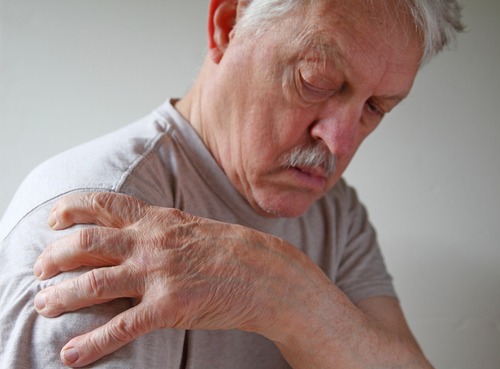 Shoulder tendinitis and bursitis are common reasons for pain and stiffness in the shoulders. These involve inflammation or swelling in a particular area within the shoulder joint. Rotator cuff, a group of muscles, along with the bicep tendon keep the shoulder joint stable. These tendons and muscles keep the humerus or the upper arm bone within the glenoid or the shoulder socket.
When the biceps tendon or the rotator cuff tendons become irritated and inflamed, it is known as bicipital tendinitis or rotator cuff tendinitis. Subacromial bursa is an area that lies within the space between the rotator cuff tendons and the acromion (a part of the shoulder blade hanging over the tendons).
The tendons are protected by the bursa. Subacromial bursitis happens when there is inflammation in the bursa. Shoulder bursitis and tendinitis can cause stiffness and pain around the shoulder.
Thomas & Bigler Knee & Shoulder Institute, led by board certified orthopedic surgeons Dr. Steven C. Thomas and Dr. Gregory T. Bigler, provides orthopedic surgery to patients in Las Vegas, Nevada as well as greater Pahrump, Bullhead City, Lake Havasu, and Mesquite, NV.
Causes of Shoulder Tendinitis
Shoulder tendinitis can be the result of sports injuries by overuse or repetitive use of the tendons. It can also be the result of a more sudden or serious injury. For instance, professional swimmers, baseball players, golfers, and tennis players are susceptible to tendinitis in the arms, shoulders, and elbows. Improper technique is the primary cause of overload on tissues, which causes tendinitis.
However, this condition can affect anyone and not just professional athletes. People with jobs that require heavy lifting or overhead work are at an increased risk of tendinitis. Anyone with repetitive motion can develop tendonitis. Shoulder tendinitis can also occur because of falling on an outstretched arm or a direct blow to the shoulder area.
Shoulder Tendinitis Treatment
Treatment goals for the condition involve reduction in inflammation and pain. It also involves preserving mobility while preventing recurrence and disability. Treatments can include a combination of using ice packs, wrapping bandages, and giving the shoulder rest. Naproxen, aspirin, and ibuprofen can be used for reducing swelling.
Physical therapy is a vital component of the treatment plan. Cortisone injections may be provided if the pain or inflammation is severe. Surgery is considered in cases where the biceps tendon or the rotator cuff has completely or partially torn off. It is also considered when symptoms fail to improve with other treatment option. Damaged tendons can be repaired by surgery, which removes the inflamed bursa.
Consulting with a Doctor
Shoulder tendinitis may go away on its own eventually. You should speak with your doctor if you experience pain that interferes with your everyday routine. You should speak with a doctor if there is soreness that doesn’t improve with rest and other self-care measures. Other reasons to visit the doctor is if you have fever, recurrence, or the affected area appears warm, swollen, or inflamed. These signs and symptoms indicate that you may have an infection.
Board certified orthopedic surgeons Dr. Thomas and Dr. Bigler receive patients from Las Vegas, Nevada as well as greater Pahrump, Bullhead City, Lake Havasu, and Mesquite, NV for safe and proven orthopedic surgery procedures.
Contact Board Certified Surgeons Dr. Bigler or Dr. Thomas at the Knee and Shoulder Institute in Las Vegas, NV to Schedule an Appointment:
If you would like to schedule an appointment or learn more about the Knee and Shoulder Institute procedures & treatments performed by Las Vegas, Nevada board-certified surgeons Steven C. Thomas, MD and Gregory T. Bigler, MD. Contact the office today click here.
Serving patients from and around greater Las Vegas, Lake Havasu, Bullhead City, Mesquite, Pahrump, Nevada
 Shoulder is comprised of several joints, tendons, and muscles that allow for a wide range of motion in the arm region. You can do everything from throwing the perfect pitch to scratching your back. However, mobility comes at a price. It may lead to impingement or instability in the bony structure or soft tissue in the shoulder, causing pain.
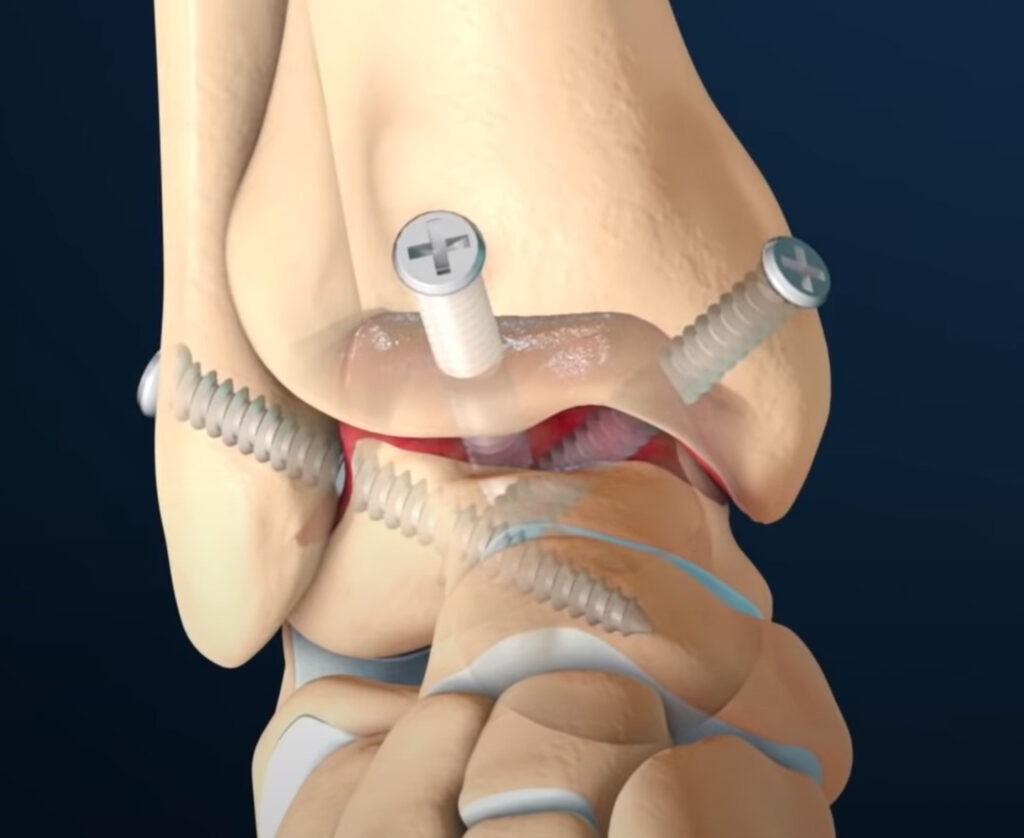 You may need joint fusion surgery (arthrodesis) if you have severe arthritis pain. The procedure welds or fuses the two bones together that form part of the aching joint. This will result in the bone getting fused together to become a single solid bone. This can help lessen the pain. This can stabilize the joint and help you place more weight on it.
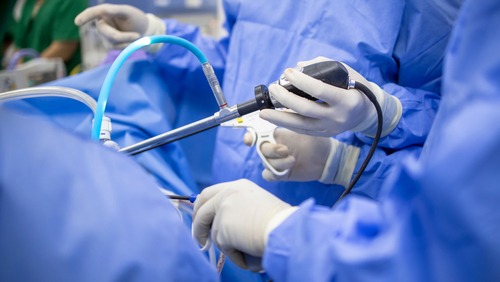
 Orthopedic surgeons perform a wide array of orthopedic surgeries for addressing various different parts of the body. These procedures are invasive in nature, but are basic and routine.
 Arthritis and osteoarthritis are frequently confused together. This is because they both belong to the same family of pathology – rheumatism. However, the two are very different with several distinct symptoms.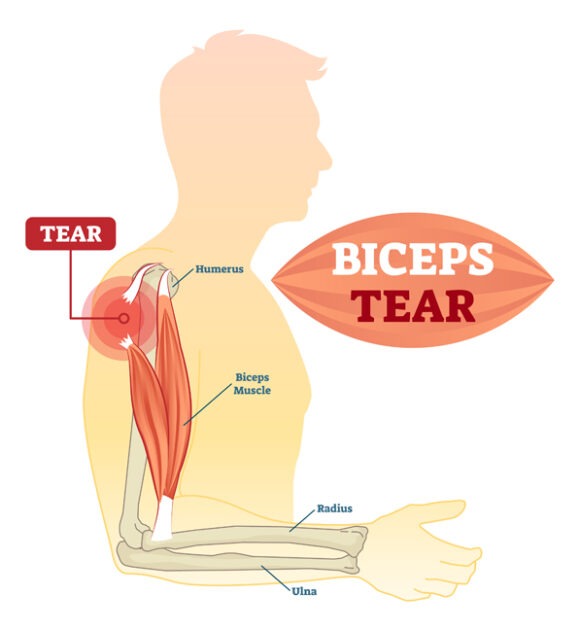
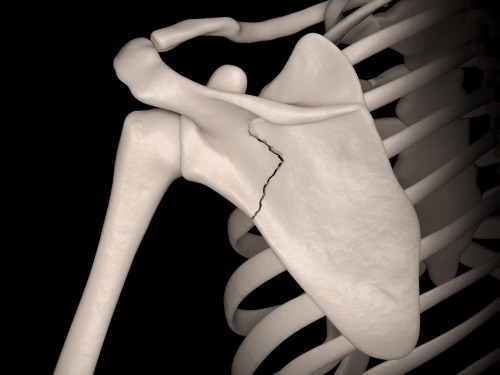
 Shoulder blade fractures are relatively uncommon injuries resulting in swelling and pain in the shoulder area. These fractures are usually caused by blunt trauma or high energy injuries, such as car accidents and hard falls. The injury is usually treated in a nonsurgical way. However, depending on the severity, your physician may recommend surgical intervention.
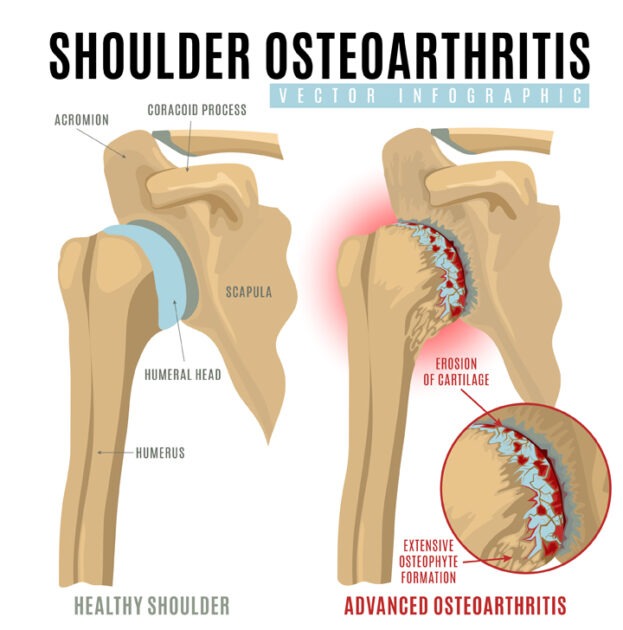 More than 50 million people in the country are affected by arthritis. The shoulder in the human body is one of the most sensitive areas. Pain and inflammation are major symptoms of arthritis in the area. There are several treatment options available even though there is no definite cure for arthritis for reducing pain and stiffness.
 Rheumatoid Arthritis (RA) of the shoulder is a type of autoimmune disease which causes your body to start attacking healthy cells. This type of arthritis focuses specifically on cells in the joints as if they were an intruder or disease. This causes the cartilage or tissues in the shoulder to get destroyed, which results in rubbing bones.