Shoulder Replacement
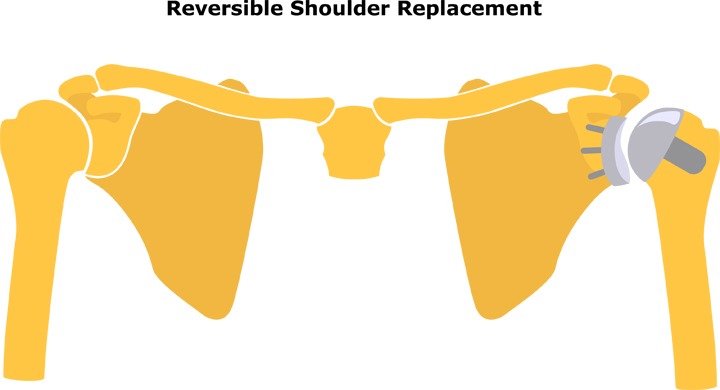 Reverse total shoulder replacement is an alternative treatment to usual shoulder replacement. The procedure was designed for people with large tears in their rotator cuff. Reverse total shoulder replacement works the same way as regular procedures. However, the joint in this is placed upside down. When the joint is attached in reverse, the arm is moved by different muscles. This is the primary reason for the alignment to work in a better way.
Different muscles are required to move the arm when the rotator cuff gets badly torn or is beyond repair. This can happen with the help of a reverse total shoulder replacement and not after a standard shoulder replacement.
Thomas & Bigler Knee and Shoulder Institute, led by board certified orthopedic surgeons Dr. Steven C. Thomas and Dr. Gregory T. Bigler, provides orthopedic surgery to patients in Las Vegas, Nevada, while also serving areas such as greater Pahrump, Bullhead City, Lake Havasu, and Mesquite, NV.
Understanding Reverse Shoulder Replacement
Regular or conventional shoulder replacement makes use of devices that mimic the real anatomy of the human shoulder. A metal ball is fitted to the humerus (upper arm bone) and a plastic cup is attached to the glenoid (shoulder socket).
The metal ball and socket switch their places in a reverse total shoulder replacement. The plastic cup is attached on the humerus’ upper end while the metal ball is attached to the socket. This is why the surgery is called reverse total shoulder replacement.
The procedure works wonders for people with rotator cuff tear since it relies on using different muscles to move the arm. The rotator cuff in healthy shoulders helps power and position the arm during a wide range of motion. Patients with large tears in their rotator cuff lose movement of these muscles. Deltoid muscles are used in reverse total shoulder replacement instead of the rotator cuff for powering and positioning the arm.
Surgical Treatment
Reverse total shoulder replacement procedure usually takes anywhere from 2 to 3 hours. Your surgeon will make an incision at the top or front of the shoulder. They will remove the damaged fragments and position new bone components for restoring function to the shoulder. This includes a plastic cup and a metal ball.
The medical team upon completing the surgery will give you several antibiotic doses for reducing the risk of infection. They will also prescribe pain medication so that you don’t feel any discomfort. Most patients can get out of the bed the same day and eat solid food.
Recovering from a Reverse Total Shoulder Replacement
Your arm would need to be kept in a sling once you leave the hospital. You should ensure that you don’t put any weight on your arm if you want it to heal quickly. You should allow it to rest completely.
The surgeon may ask you to perform a wide range of gentle exercises for increasing endurance and mobility. You may also have to undergo a formal physical therapy program for increasing strength in your shoulder and improving flexibility.
Orthopedic surgeons Dr. Thomas and Dr. Bigler receive patients from Las Vegas, Nevada as well as greater Pahrump, Bullhead City, Lake Havasu, and Mesquite, NV for orthopedic surgery.
Contact Board Certified Surgeons Dr. Bigler or Dr. Thomas at the Knee and Shoulder Institute in Las Vegas, NV to Schedule an Appointment:
If you would like to schedule an appointment or learn more about the Knee and Shoulder Institute procedures & treatments performed by Las Vegas, Nevada board-certified surgeons Steven C. Thomas, MD and Gregory T. Bigler, MD. Contact the office today click here.
Serving patients from and around greater Las Vegas, Lake Havasu, Bullhead City, Mesquite, Pahrump, Nevada
 Fortunately, glenoid labrum tear can be treated in both surgical and nonsurgical way. Often times, surgical procedures are recommended if the symptoms fail to go away or if the tear is severe.
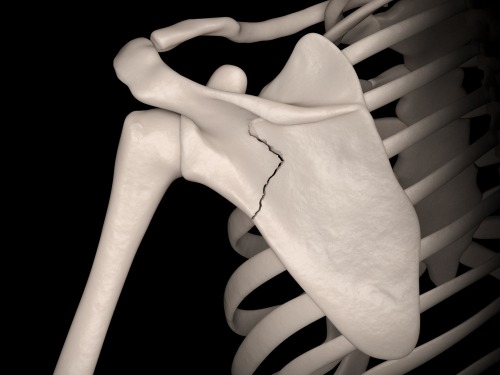 Shoulder blade fractures are not very common injuries. They can result in inflammation and pain in the shoulder arc. Shoulder blade fractures can be caused by blunt and high energy trauma incidents. This can be in the form of car accidents or falls. This fracture type is generally treated in non-surgical ways. However, they may require surgery in some instances depending on its severity.
 You get a dislocated shoulder when the bone in the upper arm falls out of your shoulder socket. Shoulder dislocation can be of several different types. They are primarily identified on the basis of the direction in which the bone dislocates and the extent of the injury.
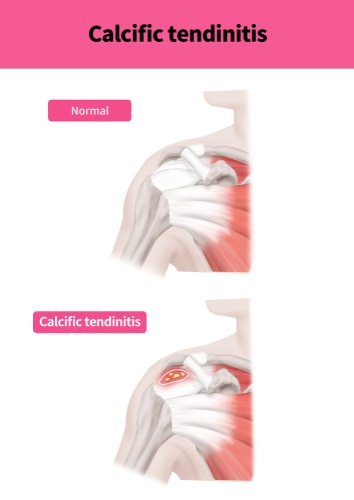 Calcific tendinitis of the shoulder refers to a condition in which the shoulder tendons or the rotator cuff becomes inflamed. Calcium deposits may start to build up, causing bonelike structures. Calcific tendinitis of the shoulder usually occurs in the age group 40 to 60. It is caused because of shoulder overuse. However, there are surgical and non-surgical treatment options to help you resume normal motion and your daily routine.
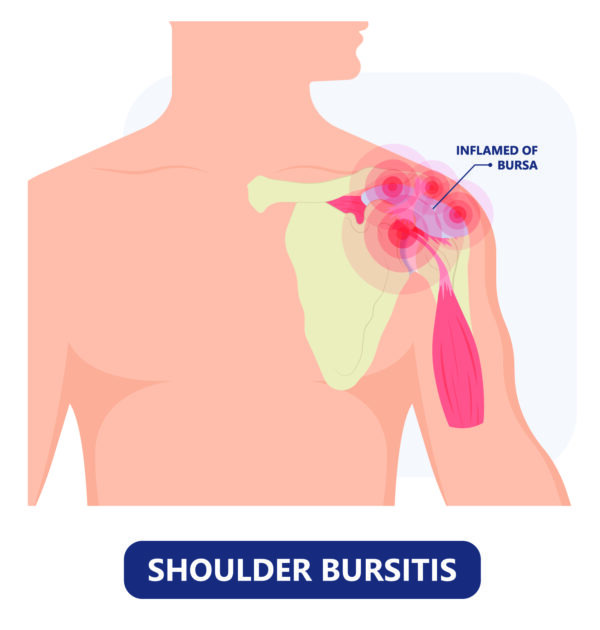 The shoulder joint has a fluid filled sac that becomes inflamed in bursitis of the shoulder. The inflammation causes pain and restricts normal motion. The condition doesn’t usually happen without any external trigger. Generally, bursitis of the shoulder is accompanied by rotator cuff tendonitis, which is the inflammation of the rotator cuff or shoulder tendons.
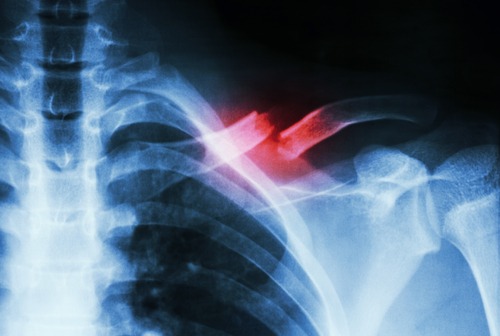 Broken collarbone or a clavicle fracture is one of the most common fractures. It usually occurs after the individual suffers a serious accident or fall. Most collarbones heal with the help of a sling. However, surgical treatments may be required in certain rare and serious cases where the bone has moved too far out to heal without medical intervention.
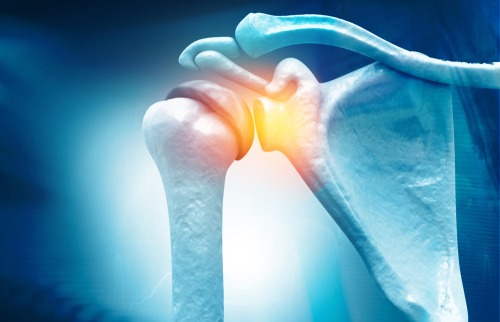 Bioinductive implant is a revolutionary new procedure for treating patients that have rotator cuff disease. Tendons can heal through the Rotation Medical Bioinductive Implant by introducing new tissue growth. This helps patients perform regular activities much quicker than traditional treatments. The procedure helps in reducing the risk of re-tears and degeneration as well.
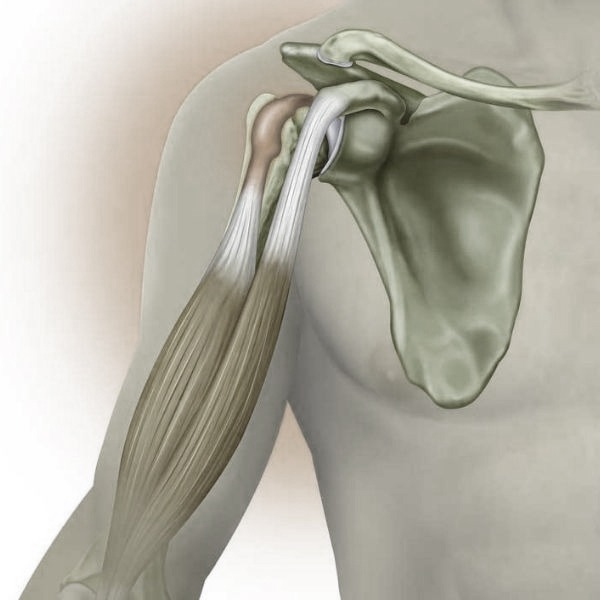 Biceps tendonitis is usually treated with a surgical procedure called biceps tenodesis. Biceps tendonitis is also known as biceps tendon tear. The surgery is usually recommended for people that suffer from shoulder pain because of biceps tendonitis. The pain is usually caused by inflammation and doesn’t improve with non-surgical treatment.
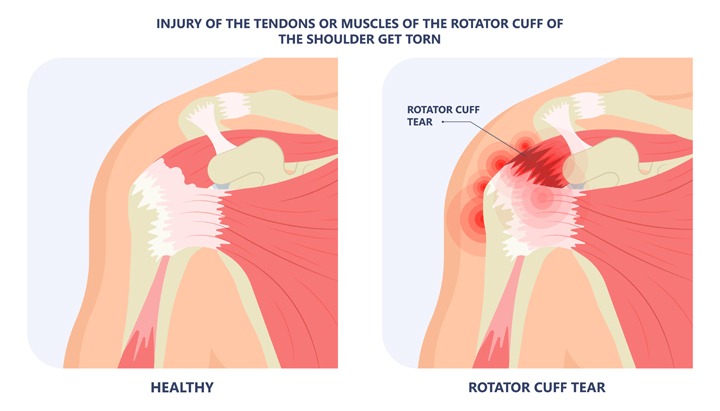
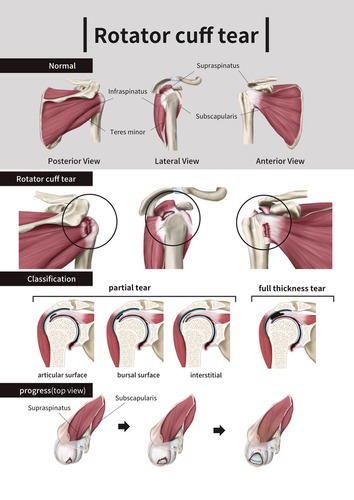 You can suffer from a rotator cuff tear after falling or another significant injury. Degeneration and prolonged breakdown of the associated tendon can also result in a rotator cuff tear. Pain while sleeping and radiating pain on the affected side are common symptoms of a rotator cuff tear. You may also experience arm weakness while trying to perform your daily activities.