Shoulder Arthroscopy Treatment
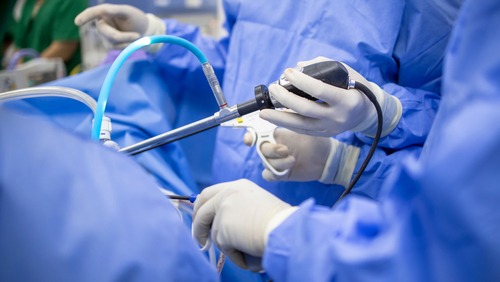 Shoulder blade fractures are relatively uncommon injuries resulting in swelling and pain in the shoulder area. These fractures are usually caused by blunt trauma or high energy injuries, such as car accidents and hard falls. The injury is usually treated in a nonsurgical way. However, depending on the severity, your physician may recommend surgical intervention.
Shoulder blade fractures can often result in severe injuries to the chest, lungs, and internal organs. It’s paramount for this reason to attain medical attention when you think you may have a fractured shoulder.
Thomas & Bigler Knee and Shoulder Institute, led by board certified orthopedic surgeons Dr. Steven C. Thomas and Dr. Gregory T. Bigler, provides orthopedic surgery to patients in Las Vegas, Nevada, while also serving areas such as greater Pahrump, Bullhead City, Lake Havasu, and Mesquite, NV.
Understanding Shoulder Fractures
Shoulder blade fractures are common in car accidents, falls from height, and other high-energy blunt force impact. Shoulder blade fractures are usually accompanied by trauma to the lungs, chest, and other internal organs. This makes it important to consult with an orthopedic as soon as possible. Shoulder fractures are not common and represent just 1% of broken bones. They usually occur in men aged 25 to 45.
Common Symptoms of Shoulder Blade Fractures
Shoulder blade fractures have several common symptoms. These include:
- Extreme pain during arm movement
- Swelling in the shoulder blade
- Shoulder bruising
- Scrapes around the shoulder area
You should attain immediate medical attention if you experience any of the following:
- Decreased sensation
- Shortness of breath
- Abdominal pain
Diagnosing Shoulder Blade Fracture
Your orthopedic surgeon will check the posture and position of your shoulder. They will also look at your visible symptoms and any other additional damage. The physician may ask for certain imaging tests of the chest and shoulder to determine the severity of the injury. This includes CT Scans, MRI, and x-rays.
- Computed Tomography (CT) scans provide detailed images of the organs, bones, and soft tissues
- X-rays provide images of bone and other dense structures
- Magnetic resonance imaging (MRI) scans of the shoulder may be required for diagnosing shoulder socket fractures
Nonsurgical Treatment Options
You should stop moving your arm immediately after getting injured. Apply ice packs to reduce discomfort and swelling. You should also consider wearing a sling to immobilize your arm and hold the shoulder in place.
Your physician may ask you to move your shoulder after the first one week to prevent elbow and shoulder stiffness. The sling will not be needed as the pain reduces. You should continue performing stretching exercises until full motion returns in the shoulder area. This can take anywhere from 6 months to a year.
Surgical Options
Surgery may be required if the shoulder blade fracture is extensive or severe and is unable to heal on its own. Bone fragments in the shoulder blade may need to be repositioned first during the surgical procedure. They will be aligned normally and held in place with special screws on metal plates.
Orthopedic surgeons Dr. Thomas and Dr. Bigler receive patients from Las Vegas, Nevada as well as greater Pahrump, Bullhead City, Lake Havasu, and Mesquite, NV for orthopedic surgery.
Contact Board Certified Surgeons Dr. Bigler or Dr. Thomas at the Knee and Shoulder Institute in Las Vegas, NV to Schedule an Appointment:
If you would like to schedule an appointment or learn more about the Knee and Shoulder Institute procedures & treatments performed by Las Vegas, Nevada board-certified surgeons Steven C. Thomas, MD and Gregory T. Bigler, MD. Contact the office today click here.
Serving patients from and around greater Las Vegas, Lake Havasu, Bullhead City, Mesquite, Pahrump, Nevada
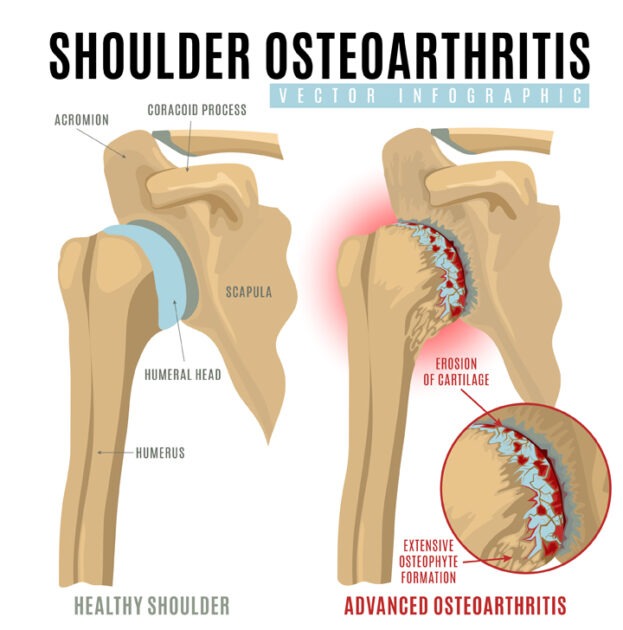 More than 50 million people in the country are affected by arthritis. The shoulder in the human body is one of the most sensitive areas. Pain and inflammation are major symptoms of arthritis in the area. There are several treatment options available even though there is no definite cure for arthritis for reducing pain and stiffness.
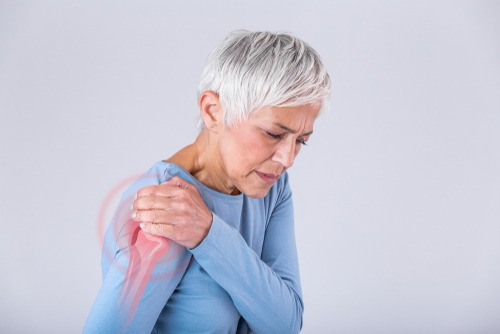 Rheumatoid Arthritis (RA) of the shoulder is a type of autoimmune disease which causes your body to start attacking healthy cells. This type of arthritis focuses specifically on cells in the joints as if they were an intruder or disease. This causes the cartilage or tissues in the shoulder to get destroyed, which results in rubbing bones.
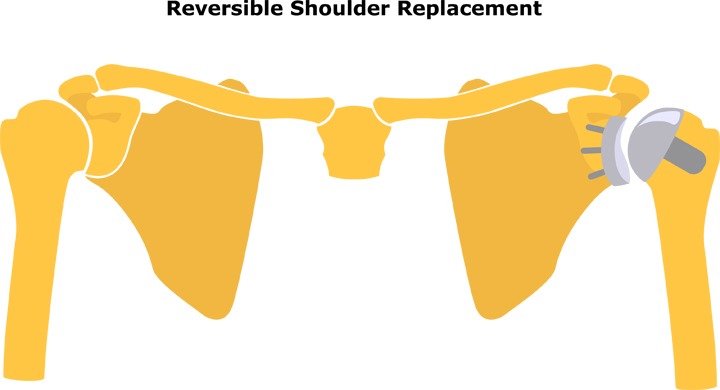 Reverse total shoulder replacement is an alternative treatment to usual shoulder replacement. The procedure was designed for people with large tears in their rotator cuff. Reverse total shoulder replacement works the same way as regular procedures. However, the joint in this is placed upside down. When the joint is attached in reverse, the arm is moved by different muscles. This is the primary reason for the alignment to work in a better way.
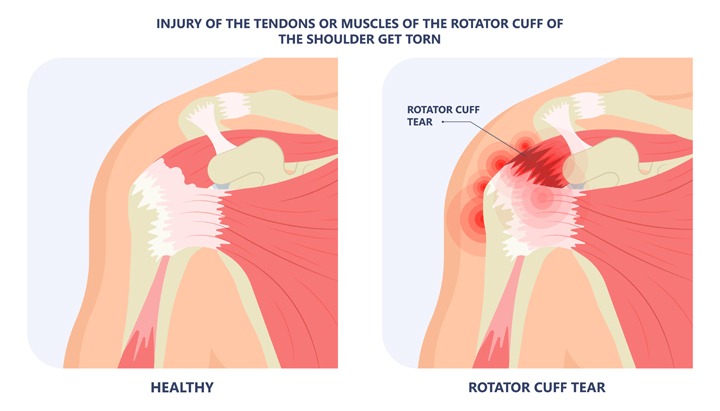 Fortunately, glenoid labrum tear can be treated in both surgical and nonsurgical way. Often times, surgical procedures are recommended if the symptoms fail to go away or if the tear is severe.
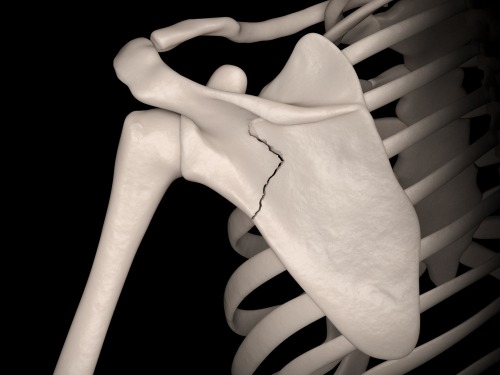 Shoulder blade fractures are not very common injuries. They can result in inflammation and pain in the shoulder arc. Shoulder blade fractures can be caused by blunt and high energy trauma incidents. This can be in the form of car accidents or falls. This fracture type is generally treated in non-surgical ways. However, they may require surgery in some instances depending on its severity.
 You get a dislocated shoulder when the bone in the upper arm falls out of your shoulder socket. Shoulder dislocation can be of several different types. They are primarily identified on the basis of the direction in which the bone dislocates and the extent of the injury.
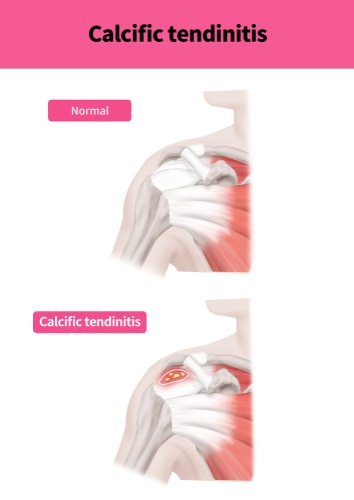 Calcific tendinitis of the shoulder refers to a condition in which the shoulder tendons or the rotator cuff becomes inflamed. Calcium deposits may start to build up, causing bonelike structures. Calcific tendinitis of the shoulder usually occurs in the age group 40 to 60. It is caused because of shoulder overuse. However, there are surgical and non-surgical treatment options to help you resume normal motion and your daily routine.
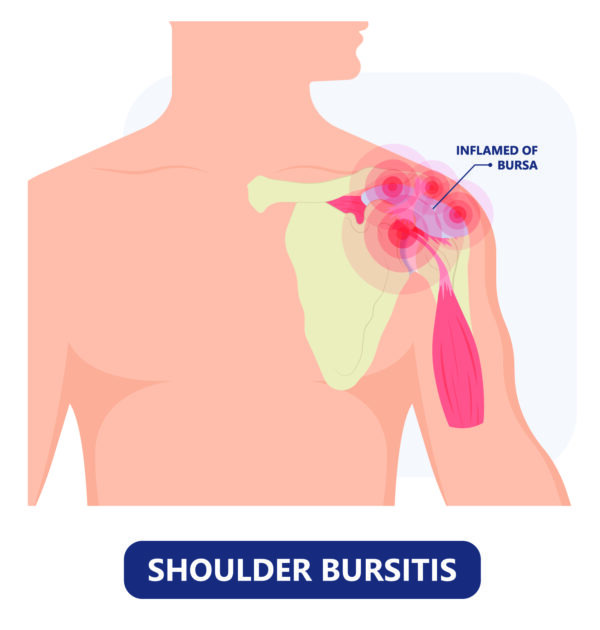 The shoulder joint has a fluid filled sac that becomes inflamed in bursitis of the shoulder. The inflammation causes pain and restricts normal motion. The condition doesn’t usually happen without any external trigger. Generally, bursitis of the shoulder is accompanied by rotator cuff tendonitis, which is the inflammation of the rotator cuff or shoulder tendons.
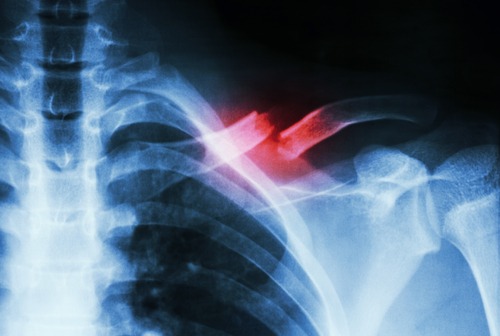 Broken collarbone or a clavicle fracture is one of the most common fractures. It usually occurs after the individual suffers a serious accident or fall. Most collarbones heal with the help of a sling. However, surgical treatments may be required in certain rare and serious cases where the bone has moved too far out to heal without medical intervention.