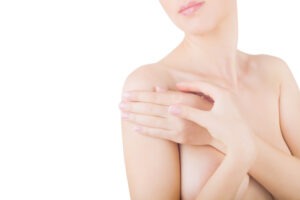
 The shoulder is a complex joint because of its multi-directional movement. Recovery is essential for returning to normal as quickly as possible if a shoulder surgery takes you out of the game temporarily. It’s normal for you to wonder when you can resume working out following an arthroscopic surgery. This will help in making the recovery less overwhelming.
A responsible surgeon will explain the procedure and the recovery timeline following an arthroscopic surgery. Thomas & Bigler Knee & Shoulder Institute, led by proven board certified orthopedic surgeons Dr. Steven C. Thomas and Dr. Gregory T. Bigler, provides orthopedic surgery to patients in Las Vegas, Nevada as well as greater Pahrump, Bullhead City, Lake Havasu, and Mesquite, NV.
Passive Range of Motion – Week 0 to Week 4
The physical therapist will move the arm without your help in passive range of motion. The first month is an incredibly boring period for most patients. You won’t be performing any functional or active movements. Pertaining to this, you should stick with the passive range of motion schedule. Don’t hurry yourself without the doctor’s permission. Pendulum exercise is commonly performed during the passive phase.
Active Assisted Range of Motion – Week 4 to Week 8
Your therapist will need your active assistance in moving the arm during this time. The purpose during this period is to reintroduce the scapular muscle recruitment and rotator cuff. Patients will be provided with a set of pulleys that hooks at the top of the door.
Active-assisted range of motion can be performed at home using the good arm for pulling through the pulley. This is a painful phase. You need to remain motivated and stick to the therapy schedule if you want to start working out quickly.
Active Range of Motion – Week 8 to Week 12
Patients are cleared for shoulder motion by most doctors without any assistance after 8 – 9 weeks. With that said, it’s crucial that you take things slow like with any new activity. You won’t have full, unrestricted motion immediately.
In most patients, the head of the humerus bone rides upwards to restrict motion. This is because the rotator cuff muscles don’t have complete control of the shoulder. You should continue moving within that part of range that appears controlled. Over a period of time, you will notice improvements.
Light Resistive Exercise – Week 12 to Week 16
Patients that are in the 3-month post-operative mark are at a point where they can start with light-resistance exercises. Don’t make the amateur and common mistake of adding too much too soon. You should slowly work your way up by adding very light resistance in the first week. Use light handheld weights and elastic bands at this stage.
Weight Training and Resistance Exercises – Week 16 and Beyond
Majority of younger patients start a light gym routine after being in 4 months of rehab. It’s not a judicious idea to stack heavy weights on a shoulder that is freshly rehabilitated. You should listen to your body and take your time. Undue haste may only prolong the recovery period.
Accomplished board-certified orthopedic surgeons Dr. Thomas and Dr. Bigler receive patients from Las Vegas, Nevada as well as greater Pahrump, Bullhead City, Lake Havasu, and Mesquite, NV for safe and proven orthopedic surgery procedures.
Contact Board Certified Surgeons Dr. Bigler or Dr. Thomas at the Knee and Shoulder Institute in Las Vegas, NV to Schedule an Appointment:
If you would like to schedule an appointment or learn more about the Knee and Shoulder Institute procedures & treatments performed by Las Vegas, Nevada board-certified surgeons Steven C. Thomas, MD and Gregory T. Bigler, MD. Contact the office today click here.
Serving patients from and around greater Las Vegas, Lake Havasu, Bullhead City, Mesquite, Pahrump, Nevada
 It’s normal for you to want to get back on your feet quickly after a
  Arthroscopy makes use of a camera for looking within the joint instead of using an incision to open it completely. This minimally invasive procedure allows orthopedic surgeons to diagnose, treat, and repair a wide array of diseases and conditions that may cause mobility issues and pain in the joints. If you are suffering from shoulder, knee or ankles stiffness and pain, you should consider an arthroscopy surgery.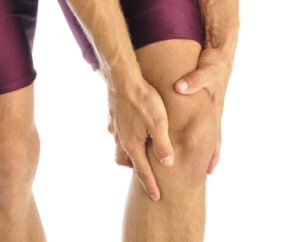
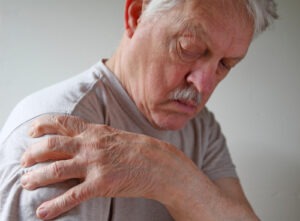 Cortisone injections play a major role in relieving inflammation and pain symptoms from the shoulder. Besides used for the shoulder, these injections can be used in the knee, hip, spine, elbow, ankle, and wrist. Furthermore, there are several side effects to these injections which limit the number you can receive in a year.
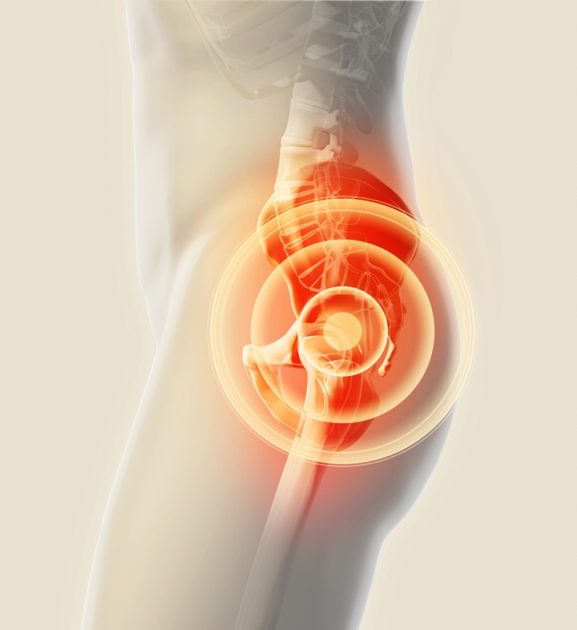 The goal of most hip replacement procedures is to alleviate hip pain because of arthritis. People with hip replacement surgery usually report an improvement in their ability to walk, work and participate in social and recreational activities following recovery.
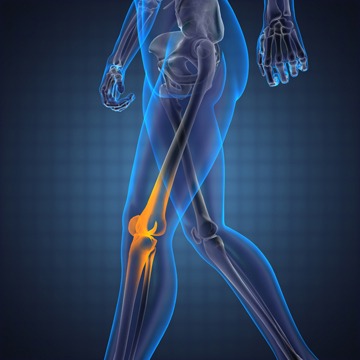 It is estimated that 7% patients in their 70s and 10% in their 80s have experienced knee replacement. The surgery is performed for alleviating pain caused by severe or moderate knee arthritis. Total knee replacement is a common but major surgery. Recovering from the procedure requires several months of dedicated physical therapy.
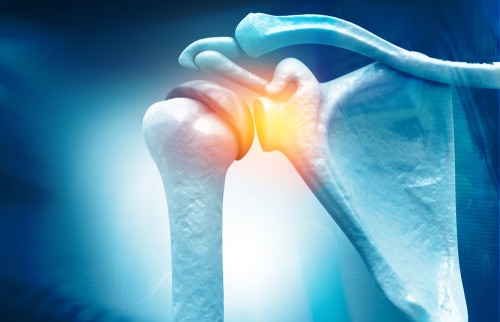 Shoulder impingement takes place when the acromion impinges on or rubs against the rotator cuff beneath it. Acromion is the top outer edge of the shoulders. Impingement can cause irritation and pain. Shoulder impingement syndrome is believed to be the cause of up to 65% of complaints related to pain in the shoulder.
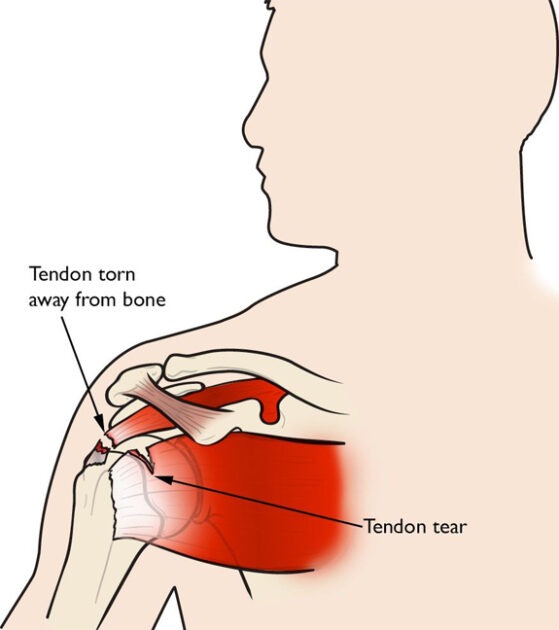 The shoulder tendons and muscles are placed under a significant deal of strain on a daily basis. Painting, cleaning, lifting boxes, gardening, and majority of recreational activities, such as swimming, tennis, and golf can case shoulder tendon tear or strain.