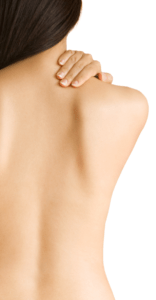
 The scapula or shoulder blade is a bone that is protected by a surrounding complex web of muscles. In many cases, fractures of the shoulder blade can be treated without surgery. Blunt, high energy trauma injuries, such as those caused in a vehicle collision or falling from height may result in a shoulder blade fracture.
Scapular fractures are often accompanied by other fractures such as collarbone or ribs, or damage to the head, lungs or spinal cord. Board certified orthopedic surgeons Dr. Steven Thomas and Dr. Gregory Bigler provide treatments for scapular fractures to patients in Las Vegas, Nevada and surrounding communities.
Symptoms
A fracture of the shoulder blade will typically involve one or more parts of the scapula. In about half of the patients, the main scapular body may be fractured, while in about 25 percent of the patients the neck of the scapula may be fractured.
Common symptoms of a shoulder blade fracture include scrapes around the injured area, severe pain when moving the arm, and swelling around the back of the shoulder. Treatment should be sought at the earliest once the patient experiences the symptoms in order to minimize the damage.
Non-Surgical Treatment
A simple sling usually works as an effective non-surgical treatment for most fractures of the shoulder blade. The sling holds the shoulder in position while healing of the bone takes place. Within the first week, the surgeon may encourage the patient to gradually start moving the shoulder to mitigate the risk of shoulder and elbow stiffness.
As the pain condition improves, the sling will be removed. Passive stretching exercises will have to be continued until full shoulder motion is restored. This may take anywhere between six months to a year. The exercise regimen should be performed in accordance with the guidelines provided by the surgeon or the physical therapist.
Surgical Treatment
Surgery may be required in the following types of shoulder blade fractures:
- Fractures of the glenoid articular surface where the bone has been displaced
- Fractures of the scalpular neck with significant angulation
- Fractures of the acromion process that causes impingement syndrome
During the surgical procedure, the surgeon will first reposition the bone fragments in their regular alignment. Then the fragments will be held together with attaching metal plates with special screws to the bone’s outer surface. Surgery will be followed by a period of rehabilitation to allow for safe and healthy restoration of the treated shoulder and its function.
Pain Management
Following a shoulder blade injury or for a brief post-surgical period, the surgeon may prescribe pain medications for short-term relief. Opioids, NSAIDs, and local anesthetics are available to help manage pain. The surgeon may prescribe a combination of these medications, while minimizing the need for opioids because they can be addictive.
Patients should know that overdose and dependency in case of opioids has become a serious public health issue in the US. They should use opioids strictly according to the directions of the prescribing surgeon. Once the pain starts improving, the use of opioids must be stopped. Board certified orthopedic surgeons Dr. Thomas and Dr. Bigler receive patients from Las Vegas, Nevada and various nearby areas.
If you would like to schedule an appointment or learn more about the Knee and Shoulder Institute procedures & treatments performed by Las Vegas, Nevada board certified surgeons Steven C. Thomas, MD and Gregory T. Bigler, MD. call (702) 933-9393; Physical Therapy (702) 933-9394
 Shoulder trauma
  The most mobile joint in the body is the
  Nearly 7.5 million Americans visit every year to the doctor’s office for a
  A broken collarbone is clinically called a clavicle fracture, which may occur commonly in people of all ages. The clavicle is situated above various important nerves and blood vessels. However, these vital structures are rarely damaged when the clavicle fracture occurs, even though the bone ends may move when they are fractured.

 Orthopedic surgeons may use
  Surgery to repair a torn rotator cuff will usually involve reattaching the tendon to the head of the upper arm bone or humerus. If the tear is only partial, the surgeon may only perform a smoothing or trimming procedure called a debridement. If a full tear has occurred within the thickest part of the tendon, it will be repaired by suturing the two sides back together.
  Following a shoulder injury or surgery, an exercise condition program may be necessary to support the patient’s return to normal activities and restore regular movement of the shoulder. A well-structured condition program will give the patient the strength and confidence to even resume sports and other vigorous activities.