Understanding ACL Tears: Causes, Symptoms, and Treatment

Understanding ACL Tears: Causes, Symptoms, and Treatment

Understanding ACL Tears: Causes, Symptoms, and Treatment | VegasACL Tears are a common injury among athletes, especially those who participate in high-impact sports. Understanding the causes, symptoms, and treatment options for ACL Tears is crucial for both prevention and recovery. In this comprehensive guide, we will delve into the world of ACL Tears and provide valuable information on how to manage this debilitating injury. At the practice of Steven C. Thomas, MD, Justin B. Limtong, DO and Donald W Pennington, DO. Our board-certified surgeons specialize in treating ACL tears in the Las Vegas area.

Unraveling the Mystery of ACL Tears

The anterior cruciate ligament, or ACL, plays a pivotal role in knee stability, allowing individuals to perform movements such as pivoting and jumping with confidence. However, when the ACL is compromised through stretching or tearing, the knee’s integrity is significantly affected. This injury typically results from movements that place unusual stress on the knee joint, such as sudden twists or extreme hyperextension. While athletes engaged in sports that demand quick directional changes, jumping, or intense physical contact are more susceptible to experiencing an ACL Tear, non-athletes are not immune. Everyday activities that result in awkward falls or sudden stops can also lead to this injury, underlining the ACL’s importance in both athletic performance and routine motions. The mechanism behind an ACL Tear involves excessive force applied to the knee or the lower leg being stopped abruptly while the momentum carries the upper body forward. This dynamic can cause the ACL to stretch beyond its capacity or tear, challenging the knee’s stability and function. Understanding the scenarios in which ACL Tears occur is key to both preventing and effectively responding to this injury, emphasizing the need for both athletes and the general population to be aware of how such movements can jeopardize knee health.

Common Causes Behind ACL Tears

ACL Tears often occur under circumstances that place the knee under extreme stress, challenging its structural integrity. One primary cause is abrupt halts or swift changes in direction that can overstress the ligaments. This is particularly common in sports that require dynamic movements, such as basketball, soccer, and football, where rapid pivoting or dodging maneuvers are routine. Incorrectly landing from a jump is another significant factor that contributes to ACL injuries. Athletes and individuals may land in a way that puts undue pressure on the knee, leading to the ligament stretching or tearing. Direct impact to the knee, such as a collision in contact sports or an accident, can also precipitate an ACL Tear. Even outside of athletic contexts, missteps or falls that result in the knee bending backward or twisting unnaturally can lead to similar injuries. It’s crucial for individuals to recognize these risks and employ preventative strategies to mitigate the chances of enduring an ACL Tear. Engaging in exercises that strengthen the muscles around the knee, improving flexibility, and practicing proper techniques during physical activities can all play a role in reducing the likelihood of this debilitating injury.

Recognizing the Symptoms of an ACL Tear

When an ACL Tear occurs, the immediate aftermath can present a range of symptoms that signal the severity of the injury. A hallmark sign is the audible pop or snap heard by many at the moment of injury, a distinctive sound that often precedes pain. Following the injury, significant swelling can emerge quickly, sometimes within hours, as the body reacts to the trauma. This swelling is a critical indicator of the injury’s extent.

Pain is another primary symptom, which can range from severe to mild, depending on the tear’s severity. It may be concentrated around the knee joint or spread throughout the surrounding area. The sensation of instability or a feeling that the knee might “give out” under weight is a common experience, making it difficult or impossible for individuals to continue their activity or, in severe cases, to bear weight on the affected leg at all.

Some may also notice a reduced range of motion in the knee, alongside discomfort or inability to perform movements that were previously easy. In more subtle cases, a feeling of looseness within the knee might be the only indicator that something is amiss, particularly in partial tears where the ligament is stretched but not completely severed.

It’s vital to recognize these symptoms early and seek medical evaluation. Ignoring or downplaying the signs can lead to further damage or complications. A healthcare professional can provide a definitive diagnosis and recommend the best steps for treatment and recovery.

Diagnosis and Evaluation of ACL Tears

The process of diagnosing an ACL Tear often begins with a detailed medical history and a thorough physical examination by a healthcare provider. They will look for signs of knee instability, swelling, and assess the range of motion and strength. To obtain a more precise understanding of the injury, imaging tests play a critical role. An MRI (Magnetic Resonance Imaging) is commonly used as it provides clear images of the soft tissues, such as the ACL, to determine the extent of the tear. X-rays may also be conducted to rule out any associated bone injuries, although X-rays alone cannot visualize the ligaments directly. In certain cases, where the diagnosis remains unclear or to evaluate other potential knee injuries, an arthroscopy may be performed. This minimally invasive surgical procedure involves inserting a small camera into the knee joint, offering a direct view of the damage to the ACL and surrounding structures. Through these diagnostic steps, healthcare professionals can accurately identify an ACL Tear and consider factors such as the tear’s severity and the patient’s activity level and goals to formulate an appropriate treatment plan. This careful evaluation is essential to ensure that each individual receives the most effective care tailored to their specific needs and recovery objectives.

Treatment Options for ACL Tears

For individuals diagnosed with an ACL Tear, the approach to treatment is determined by the tear’s severity, the patient’s lifestyle, and their overall health. Non-surgical treatments might be the first line of approach for those with less severe injuries or for patients who lead a less active lifestyle. These can include rest, ice, compression, and elevation (RICE protocol), alongside physical therapy to strengthen the surrounding knee muscles and improve joint stability. Additionally, using knee braces can offer support during the healing process.

For more severe ACL Tears or in cases where individuals aim to return to high-level physical activities, surgical reconstruction of the ACL might be necessary. This procedure involves replacing the torn ligament with a graft taken from another tendon in the patient’s body or from a donor. Post-surgery, a comprehensive rehabilitation program is critical to recover knee function and strength effectively.

Choosing between non-surgical and surgical treatment options depends on a careful evaluation by healthcare professionals, taking into account the specifics of the injury and the patient’s personal goals and needs. Each treatment plan is customized to promote the best possible recovery, ensuring the patient can return to their desired level of activity.

Rehabilitation and Recovery After ACL Surgery

The journey back to full health following ACL surgery is multifaceted and requires dedication to a tailored rehabilitation program. Immediately after the procedure, patients often start with gentle exercises to reduce swelling and regain some range of motion. Over time, the intensity and complexity of these exercises increase, focusing on rebuilding strength in the knee and surrounding muscles. Balance and proprioception exercises are introduced to restore the knee’s stability and functionality. A key part of this process is also addressing any biomechanical issues that may have contributed to the injury initially, to prevent future occurrences. Collaboration with physical therapists is essential, as they guide the patient through each phase of recovery, ensuring exercises are performed correctly and progress is made at a safe pace. It’s important for patients to communicate openly about their pain levels and any concerns during rehab to adjust the program as needed. This careful, step-by-step approach helps patients gradually return to their daily activities and, eventually, to the sports or physical activities they love.

Preventing ACL Tears: Tips and Strategies

To mitigate the likelihood of suffering an ACL Tear, several proactive measures can be adopted. A key component is incorporating comprehensive warm-up exercises before engaging in any form of physical activity. This preparation enhances muscle flexibility and joint mobility, which can safeguard against injuries. Strengthening exercises focused on the lower body, particularly those that bolster the quadriceps and hamstrings, also play a crucial role. These muscles support the knee and can help absorb some of the forces that might otherwise strain the ACL.

Proper technique during athletic endeavors cannot be overstated. Athletes should be educated on and practice movements that minimize stress on the knees, such as learning how to pivot and land correctly. This is especially vital in sports known for their high incidence of ACL injuries. Additionally, maintaining a healthy body weight reduces unnecessary pressure on the knees during both daily activities and strenuous sports.

Equally important is the choice of footwear. Shoes that provide adequate support and are suited to the specific sport or activity can prevent abnormal knee movements that might lead to an ACL Tear. Lastly, incorporating balance and proprioception exercises into regular training can enhance knee stability and prevent falls or missteps that often result in injuries. By following these strategies, individuals can significantly lower their risk of ACL Tears, ensuring a healthier and more active lifestyle.

Contact Surgeons Dr. Thomas, Dr. Pennington, and Dr. Limtong at the Knee and Shoulder Institute in Las Vegas, NV to Schedule an Appointment:

If you would like to schedule an appointment or learn more about the Knee and Shoulder Institute procedures & treatments,contact the office today click here.

Serving patients from and around greater Las Vegas, Lake Havasu, Bullhead City, Mesquite, Pahrump, Nevada

What is a shoulder SLAP injury?

What is a shoulder SLAP injury? | Las Vegas Orthopedic SurgeonsThe shoulder is one of the most intricate parts of the human body. It bears the responsibility of linking our arms to our trunk, allowing us a wide range of motion that we often take for granted. Until we sustain an injury, that is. One such injury that often goes under the radar is the shoulder SLAP injury. Let’s delve into this complex condition, shedding light on what it entails, how it occurs, its symptoms, diagnostic processes, treatment options, and what recovery might look like. At the practice of Steven C. Thomas, MD, Justin B. Limtong, DO and Donald W Pennington, DO. Our board-certified surgeons specialize in treating shoulder injuries and conditions in the Las Vegas area.

Understanding the Anatomy of the Shoulder

The shoulder – a marvel of human anatomy, serves as the cornerstone that allows our arms to connect with our torso, paving the way for an extraordinary range of motion. Its complexity lies in its design – a masterful collaboration between three integral bones: the collarbone (clavicle), the shoulder blade (scapula), and the upper arm bone (humerus). Here’s a little fun fact – our shoulder joint is a classic example of a ball-and-socket joint. Picture this – the head of the humerus nestling comfortably in a shallow socket present in the scapula.

Now, the labrum, a star in its own right, deserves special mention. This rubbery tissue, a piece of fibrocartilage, firmly attaches itself to the shoulder socket’s rim. Its mission? To keep the joint’s ball right where it belongs. However, when the labrum gets injured, that’s when we step into the realm of SLAP (Superior Labrum Anterior and Posterior) injuries. Stay tuned as we continue our journey into the world of shoulder SLAP injuries – the causes, the symptoms, and the potential road to recovery.

How Does a SLAP Injury Occur?

SLAP injuries are born out of situations that put undue stress or strain on the shoulder joint. Think of this scenario – a motorist involved in a high-impact collision that sends jolts of force coursing through their shoulder. Or imagine an athlete who lands awkwardly on an outstretched arm during a game. Even an unexpected shoulder dislocation can open the doors to a SLAP injury. The culprits aren’t always traumatic events though; repetitive shoulder movements can also slowly chip away at the labrum over time, setting the stage for a SLAP injury. So if you’re a weightlifter constantly pushing your limits, a baseball pitcher who relies heavily on your throwing arm, or a tennis player whose powerful serves are your secret weapon, you may be more susceptible to these types of injuries. In essence, SLAP injuries are an occupational hazard for some and an unforeseen consequence of an accident for others. It’s the body’s way of signaling that it’s been pushed beyond its comfortable limits.

Recognizing the Symptoms of a SLAP Injury

Nailing down the symptoms of a SLAP injury can be quite the investigative task. Unlike some conditions, SLAP injuries can unveil themselves through a medley of symptoms, which can differ based on the injury’s intensity. One of the tell-tale signs could be a persistent, nagging pain deep within your shoulder. This discomfort can often intensify when you’re trying to reach up high or swing your arm behind you.

Have you noticed a peculiar popping, clicking, or grinding noise in your shoulder? That could be your body raising a red flag. Likewise, you might find that your shoulder joint feels ‘loose,’ almost as if it’s not securely nestled within its socket.

In addition to these symptoms, you might also experience a curtailed range of motion, a dip in strength, and difficulty performing certain actions such as lifting or throwing. These symptoms can sneak up on you gradually or show up suddenly, depending on how the injury occurred.

So, if you’re feeling something ‘off’ about your shoulder, don’t brush it off. These signs might be your body’s SOS signal, hinting that it’s time to get your shoulder checked out by a healthcare provider. Don’t forget, catching a SLAP injury early can help streamline your path to recovery and get you back to doing what you love in no time.

Diagnosing a SLAP Injury: What to Expect

When it comes to diagnosing a SLAP injury, you can expect your healthcare provider to leave no stone unturned. It all kicks off with a comprehensive chat where you discuss your medical history in detail. Next, your healthcare provider might take you through a series of physical examinations, employing specific arm movements to check for any signs of discomfort or instability.

Do you remember the last time you watched a sci-fi movie and marveled at the high-tech medical devices? In reality, while diagnosing a SLAP injury, healthcare professionals have an array of similar diagnostic imaging tools at their disposal. One such tool is an MRI, or Magnetic Resonance Imaging. This marvel of medical technology allows them to take a closer look at your shoulder’s inner structures, providing a more complete picture of the situation.

In some instances, your provider might order an arthrogram – a unique type of X-ray that involves injecting a contrast dye into your shoulder. The dye makes it easier to see the structures within your shoulder and identify any signs of injury.

Yes, diagnosing a SLAP injury is a process. But, remember – it’s all in the pursuit of a detailed understanding of what’s happening within your shoulder. With this information in hand, your healthcare provider can craft the most effective treatment plan to put you on the path to recovery.

Treatment Options for a SLAP Injury

The road to recovery from a SLAP injury isn’t a one-size-fits-all journey. It’s a customized route that considers your unique needs and the injury’s intensity. Let’s say your SLAP injury is on the milder side; in this case, a more conservative approach might be your ticket to relief. Here, your healthcare provider might suggest you press the pause button on activities that amplify the pain. Coupled with rest, physical therapy might play a pivotal role in your treatment plan, aiding in pain reduction and strengthening your shoulder muscles. As a cherry on top, non-steroidal anti-inflammatory drugs (NSAIDs) can be your allies, stepping up to the plate to keep pain and inflammation in check.

Now, let’s pivot to the more serious SLAP injuries. If your shoulder’s story is a bit more complex, and the pain remains a stubborn foe despite conservative measures, surgery might be the next course of action. Enter arthroscopic surgery – a minimally invasive procedure where a small camera acts as the surgeon’s eyes, guiding the repair process. This technique, due to its less intrusive nature, usually results in less postoperative pain and a quicker recovery.

Whether your treatment plan takes the conservative or surgical route, remember this – the goal is the same. To help you reclaim your shoulder’s strength, stability, and motion, bringing you one step closer to your normal routine.

Recovery Expectations After a SLAP Injury

Let’s talk about the light at the end of the tunnel: recovery. If you’ve sustained a SLAP injury, you might be wondering when you can get back to your normal routine. Well, as with most injuries, the recovery journey is not one-size-fits-all. It hinges on the severity of the injury and the chosen treatment path.

For those fortunate enough to have mild injuries, you may start to see your symptoms easing within weeks or a few months following non-surgical treatments. This period could see you diving headfirst into a well-crafted physical therapy program, designed to put you back in the driver’s seat of your shoulder function.

Now, if surgery is part of your treatment plan, patience will be your best friend. The road to recovery can be longer – think several months of diligent work with your physical therapist, relearning your shoulder’s rhythm, and rebuilding your strength.

The key player in this process? It’s none other than you. Your dedication to follow through with your prescribed rehabilitation program can make all the difference between a swift recovery and a drawn-out one. Remember, every step forward, no matter how small, is a victory in your recovery journey.

So, whether your recovery route takes a few weeks or extends over several months, keep your eyes on the prize. Each day brings you one step closer to waving goodbye to your SLAP injury and welcoming back your robust shoulder strength, stability, and motion. With time, patience, and perseverance, you’ll be back to your everyday activities before you know it!

Contact Surgeons Dr. Thomas, Dr. Pennington, and Dr. Limtong at the Knee and Shoulder Institute in Las Vegas, NV to Schedule an Appointment:

If you would like to schedule an appointment or learn more about the Knee and Shoulder Institute procedures & treatments,contact the office today click here.

Serving patients from and around greater Las Vegas, Lake Havasu, Bullhead City, Mesquite, Pahrump, Nevada

What is a Sports Medicine Doctor?

What is a Sports Medicine Doctor? | Las Vegas Orthopedic SurgeonsIn the dynamic world of athletics, where pushing the human body to its limits is a constant, sports medicine doctors are the unsung heroes behind the scenes. Their work ensures athletes can perform at their peak and bounce back from injuries faster than ever. But their role isn’t confined to just the professional arena. They also play a critical part in the life of the weekend warrior and fitness enthusiast. Let’s delve into the captivating world of sports medicine doctors and discover how they can be your game changer. At the practice of Steven C. Thomas, MD, Justin B. Limtong, DO and Donald W Pennington, DO. Our board-certified surgeons specialize in treating injuries and conditions in the Las Vegas area.

The Specialty That Supports Performance – Sports Medicine

Sports medicine is a riveting medical specialty, seamlessly merging the disciplines of exercise science and injury treatment. But make no mistake: these doctors aren’t merely clinicians – they’re avid sports aficionados, deeply attuned to the needs and nuances of physical performance, fitness, and athlete care. Their skill set goes beyond simply nursing athletes back to health after an injury. It encompasses enhancing performance, forestalling injuries, and fostering a robust, healthy lifestyle. These doctors wear multiple hats – coach, cheerleader, mentor, and medic – making sports medicine a vital backbone of the sports world. The breadth of their expertise isn’t confined to treating sprained ankles or diagnosing concussion. They’re also on the cutting edge of the latest methods to boost athletic performance. This potent blend of passion, knowledge, and innovation positions sports medicine at the heart of athletic success and longevity.

The Sports Medicine Doctor: A Crucial Role in Athlete Care

From the starting whistle to the final lap, sports medicine doctors are a cornerstone in an athlete’s journey. Their hand in the game starts way before athletes hit the field, providing key injury prevention strategies designed to keep athletes in tip-top shape. If injuries do strike, sports medicine doctors swing into action, delivering immediate, front-line care and crafting rehabilitation plans tailored to each athlete’s unique needs and goals.

But their work doesn’t stop at recovery. They’re also the silent strategists behind athletes’ enhanced performance. They fuel the physical prowess that allows athletes to dig deep when it counts, ensuring they’re primed to deliver their personal best every time.

Whether they’re nurturing budding talents who are just getting their feet wet or supporting seasoned pros who’ve experienced the rigors of the game, sports medicine doctors are there every step of the way. Their guidance, expertise, and care help athletes of all levels navigate the challenging world of competitive sports, all while promoting their overall health and wellbeing.

Their role doesn’t end when the game does – in fact, it’s a continuous journey of support and care, helping athletes bounce back, perform better, and stay in the game. In essence, sports medicine doctors are the vital lifeline in the realm of athletics, making them indispensable players in the world of sports.

What Sets Them Apart: The Unique Skills of Sports Medicine Doctors

Sports medicine doctors possess a unique skill set that sets them apart from their medical counterparts. These healthcare heroes have a knack for recognizing the specific pressures that athletes put their bodies through. This intimate understanding allows them to quickly identify and effectively treat the injuries and conditions that are unique to the sports world. From muscle strains and stress fractures to tendonitis and dehydration, these doctors have seen it all, treated it all, and helped athletes recover and thrive.

But what truly differentiates them is their in-depth understanding of the science behind athletic performance. They’re always on top of the latest advancements in sports medicine, nutrition, and rehabilitation techniques. This means they’re equipped not only to restore health but also to maximize athletic prowess. Whether it’s optimizing an athlete’s nutrition plan, fine-tuning their training regimen, or employing state-of-the-art therapies, these doctors use their knowledge to boost athletes’ performance to new heights.

This ability to personalize care is another standout feature of sports medicine doctors. They know that every athlete is unique, and what works for one may not work for another. With this in mind, they design customized treatment and prevention strategies for each athlete, taking into account their sport, position, age, goals, and overall health.

What truly makes sports medicine doctors exceptional is their commitment to their patients. They’re not just doctors; they’re trusted advisors, empathetic listeners, and staunch advocates. They strive to understand each athlete’s individual struggles and aspirations, and they use this insight to guide their medical approach. In doing so, they don’t just heal bodies—they also build resilience, boost confidence, and inspire athletes to reach for their dreams. This holistic approach to care makes sports medicine doctors a valuable ally in every athlete’s journey to success.

Not Just for Professionals: Sports Medicine and the Casual Athlete

Contrary to popular belief, the reach of sports medicine is not limited to the realm of professional athletes. Indeed, sports medicine doctors cater to a diverse group of individuals with a shared commitment to active living. This includes everyone from the dedicated marathon runner to the enthusiastic amateur soccer player, the casual gym-goer to the retiree embarking on a new fitness journey.

The occasional sprain, muscle pull, or chronic ache that comes with your regular exercise regimen or pickup game? These are all within the purview of sports medicine. A sports medicine doctor can assess your situation, administer the appropriate treatment, and provide you with tailored advice to prevent similar injuries in the future.

But their guidance extends beyond mere injury treatment. If you’re looking to improve your running technique, perfect your tennis serve, or just get more out of your workouts, a sports medicine doctor can provide insightful recommendations based on the latest exercise science.

Equally, they can provide invaluable advice for those with chronic conditions, like diabetes or heart disease, who wish to maintain an active lifestyle. Sports medicine doctors understand the unique challenges these individuals face and can offer strategies to ensure their exercise routines are both safe and effective.

Whether you’re an exercise novice or a seasoned fitness enthusiast, a sports medicine doctor can provide the professional touch to elevate your performance, ensure your safety, and enhance your enjoyment of your favorite activities. In other words, they can bring a dose of pro-level care to the everyday athlete’s fitness regimen. So remember, you don’t need to be an elite athlete to benefit from the expert advice of a sports medicine doctor.

How to Choose a Sports Medicine Doctor: The Key Considerations

Selecting the ideal sports medicine doctor is much like assembling a winning team – every detail counts, and every choice can impact the final outcome. The first thing on your checklist should be the doctor’s credentials and expertise in the field. A gold-standard sports medicine doctor is typically board-certified in sports medicine, showcasing their proficiency in this specialized domain.

Moving on to their treatment philosophy, the best sports medicine doctors don’t just focus on fixing the injury at hand. They adopt a comprehensive approach, considering all aspects of your well-being and performance. They strive to get to the root of the problem, guide you through recovery, and equip you with strategies to prevent future injuries. Plus, they are well-versed in the latest in sports medicine research, providing advanced therapies and interventions to enhance your athletic performance.

Equally crucial is their communication style. Sports medicine isn’t a one-size-fits-all discipline, and a good doctor should acknowledge that. They need to be approachable, ready to answer your questions, and invested in understanding your unique athletic needs and aspirations. Look for a sports medicine doctor who genuinely listens, encourages open dialogue, and is dedicated to building a therapeutic alliance with you.

Finally, don’t forget to consider their empathy and patient care philosophy. Remember, they’re not just healers; they’re also advisors, cheerleaders, and advocates. A great sports medicine doctor doesn’t just mend bodies – they inspire resilience, boost confidence, and guide athletes towards their dreams.

When you find a sports medicine doctor who checks all these boxes, you’ll have more than a medical expert. You’ll have a partner in your athletic journey, a guide who can help you navigate the challenging terrain of sports, and a game changer who can elevate your performance to new heights. And that’s a win in any athlete’s book.

Contact Surgeons Dr. Thomas, Dr. Pennington, and Dr. Limtong at the Knee and Shoulder Institute in Las Vegas, NV to Schedule an Appointment:

If you would like to schedule an appointment or learn more about the Knee and Shoulder Institute procedures & treatments,contact the office today click here.

Serving patients from and around greater Las Vegas, Lake Havasu, Bullhead City, Mesquite, Pahrump, Nevada

Elbow Osteoarthritis Treatment Options

Elbow Osteoarthritis Treatment Options | Las Vegas Orthopedic SurgeonAre you struggling with the pain and stiffness caused by elbow osteoarthritis? You’re not alone. Millions of people around the world suffer from this degenerative joint disease that can greatly impact their daily lives. Fortunately, there are several effective treatment options available to help manage the symptoms of elbow arthritis and improve your quality of life. In this blog post, we’ll explore some of the most common and innovative treatments for elbow osteoarthritis, so you can say goodbye to the pain and hello to a more comfortable and active lifestyle. At the practice of Steven C. Thomas, MD, Justin B. Limtong, DO and Donald W Pennington, DO. Our board-certified surgeons specialize in treating elbow injuries and conditions in the Las Vegas area.

Understanding the Basics of Elbow Osteoarthritis

Elbow osteoarthritis is a common condition that affects the joint cartilage in the elbow, leading to pain, stiffness, and reduced range of motion. This degenerative joint disease occurs when the protective cartilage that cushions the ends of the bones wears down over time, causing the bones to rub against each other. While elbow osteoarthritis is more commonly associated with aging, it can also occur as a result of previous injury or overuse.

Understanding the basics of elbow osteoarthritis is crucial for effectively managing the condition and finding the right treatment approach. It’s important to know that symptoms can vary from person to person, with some individuals experiencing mild discomfort while others may suffer from severe pain and limitations in their daily activities.

In addition to pain and stiffness, common symptoms of elbow osteoarthritis include swelling, tenderness, and a grating sensation when moving the joint. It’s also important to note that elbow osteoarthritis can affect not only the joint itself but also the surrounding muscles, ligaments, and tendons.

To diagnose elbow osteoarthritis, a healthcare professional will typically perform a physical examination, review your medical history, and may order additional tests such as X-rays or MRI scans. This helps to rule out other possible causes of your symptoms and determine the extent of the joint damage.

By understanding the basics of elbow osteoarthritis, you can better communicate with your healthcare provider and work together to develop an individualized treatment plan that suits your needs and goals. So let’s dive deeper into the importance of early diagnosis and the available treatment options to effectively manage elbow osteoarthritis.

The Importance of Early Diagnosis for Effective Treatment

Early diagnosis is crucial for effectively managing elbow osteoarthritis and ensuring the best possible treatment outcomes. Identifying the condition in its early stages allows healthcare professionals to implement interventions that can slow the progression of the disease and prevent further joint damage.

When elbow osteoarthritis is diagnosed early, non-surgical treatment options such as physical therapy, medication, and lifestyle modifications can be more effective. Physical therapy helps to strengthen the muscles around the joint, improve range of motion, and reduce pain and stiffness. Medications, such as nonsteroidal anti-inflammatory drugs (NSAIDs), can help alleviate pain and inflammation. Lifestyle modifications, such as avoiding activities that aggravate the joint and incorporating exercises that promote joint health, can also make a significant difference.

Furthermore, early diagnosis provides an opportunity to explore other innovative treatment options, such as injections of hyaluronic acid or platelet-rich plasma (PRP) therapy. These treatments have shown promising results in reducing pain and improving joint function.

By seeking medical attention as soon as you experience symptoms, you can take control of your condition and ensure that you receive the appropriate treatment early on. Remember, early diagnosis leads to early intervention, which can significantly improve your quality of life and prevent further deterioration of your elbow joint. Don’t delay, reach out to a healthcare professional today to discuss your symptoms and start your journey towards effective treatment.

Non-Surgical Treatment Options for Elbow Osteoarthritis

If you’re dealing with elbow osteoarthritis, you’ll be relieved to know that there are several non-surgical treatment options available to help manage your symptoms. These treatments focus on reducing pain, improving range of motion, and slowing down the progression of the disease.

Physical therapy is often a first-line treatment for elbow osteoarthritis. Working with a trained therapist, you’ll engage in exercises and stretches that target the muscles surrounding the joint, helping to strengthen them and improve flexibility. This can lead to decreased pain and increased function.

Medications, such as nonsteroidal anti-inflammatory drugs (NSAIDs), can also be prescribed to alleviate pain and reduce inflammation. These medications can be taken orally or applied topically to the affected area.

In addition to physical therapy and medication, lifestyle modifications can play a significant role in managing elbow osteoarthritis. Avoiding activities that aggravate the joint and incorporating low-impact exercises, such as swimming or cycling, can help to maintain joint health and minimize pain.

Some individuals may also benefit from the use of assistive devices, such as braces or splints, which can provide support and stability to the elbow joint.

Overall, non-surgical treatment options for elbow osteoarthritis aim to improve your quality of life and alleviate pain without the need for invasive procedures. It’s important to work closely with your healthcare provider to develop a personalized treatment plan that addresses your specific needs and goals.

Surgical Treatments: When Non-Surgical Options Don’t Suffice

When non-surgical treatment options for elbow osteoarthritis don’t provide sufficient relief, surgical interventions may be necessary to alleviate pain and improve joint function. While surgery is typically considered a last resort, it can be a highly effective option for individuals who have not found relief from non-surgical treatments.

There are several surgical procedures available for elbow osteoarthritis, and the choice of surgery will depend on the severity of your condition and your specific needs. One common surgical procedure is arthroscopy, which involves making small incisions in the joint to remove damaged tissue or bone spurs. This minimally invasive procedure can help reduce pain and improve range of motion.

In more advanced cases of elbow osteoarthritis, joint replacement surgery may be recommended. During this procedure, the damaged joint surfaces are replaced with artificial components, allowing for improved joint function and pain relief. Elbow joint replacement surgery has come a long way in recent years, and many individuals experience significant improvements in their quality of life after the procedure.

It’s important to note that while surgery can provide long-term relief for elbow osteoarthritis, it also carries risks and a recovery period. Your healthcare provider will thoroughly discuss the potential benefits and risks of surgery with you, and together, you can determine if surgical intervention is the right choice for you.

Remember, surgical treatments for elbow osteoarthritis are typically reserved for cases where non-surgical options have been exhausted. It’s important to explore and try non-surgical treatments first before considering surgery. Your healthcare provider will work with you to develop a personalized treatment plan that best suits your needs and goals.

The Importance of a Personalized Treatment Plan

A personalized treatment plan is essential for effectively managing elbow osteoarthritis. Every individual is unique, and what works for one person may not work for another. That’s why it’s crucial to work closely with your healthcare provider to develop a plan that addresses your specific needs and goals.

A personalized treatment plan takes into account factors such as the severity of your condition, your lifestyle, and your overall health. It may include a combination of non-surgical treatments, such as physical therapy, medication, and lifestyle modifications. For some individuals, injections of hyaluronic acid or platelet-rich plasma therapy may be beneficial. In more severe cases, surgery may be necessary.

By creating a personalized treatment plan, you can optimize your chances of finding relief from pain and improving joint function. It allows you to tailor your treatment to fit your unique circumstances, ensuring that you receive the most effective and appropriate interventions. Additionally, a personalized plan takes into account your goals, whether that’s to be able to perform daily activities with less pain or to regain full range of motion in your elbow.

Remember, finding the right treatment approach is not a one-size-fits-all solution. It requires collaboration between you and your healthcare provider. So don’t hesitate to communicate your concerns, preferences, and goals. Together, you can develop a personalized treatment plan that puts you on the path to a more comfortable and active lifestyle.

Contact Surgeons Dr. Thomas, Dr. Pennington, and Dr. Limtong at the Knee and Shoulder Institute in Las Vegas, NV to Schedule an Appointment:

If you would like to schedule an appointment or learn more about the Knee and Shoulder Institute procedures & treatments,contact the office today click here.

Serving patients from and around greater Las Vegas, Lake Havasu, Bullhead City, Mesquite, Pahrump, Nevada

Tennis Elbow Treatment Options

Tennis Elbow Treatment Options | Las Vegas Orthopedic SurgeonsTennis elbow, also known as lateral epicondylitis, is a common condition that affects athletes and non-athletes alike. It is characterized by pain and tenderness on the outer part of the elbow, making everyday tasks such as lifting objects or gripping a racket extremely painful. If you’re dealing with tennis elbow, you may be wondering what your treatment options are. Luckily, there are several effective treatments available that can provide relief and help you get back to your active lifestyle. In this blog post, we’ll explore some of the best tennis elbow treatments to serve up relief for your pain. At the practice of Steven C. Thomas, MD, Justin B. Limtong, DO and Donald W Pennington, DO. Our board-certified surgeons specialize in treating elbow injuries and conditions in the Las Vegas area.

Understanding Tennis Elbow: Know Your Adversary

Tennis elbow is a condition that affects not only tennis players but also people from various walks of life. It is important to understand the nature of this adversary in order to effectively combat it. Tennis elbow, or lateral epicondylitis, is an overuse injury that occurs when the tendons in the elbow are strained or damaged. The primary cause of tennis elbow is repetitive movements of the forearm and wrist, such as gripping a tennis racket, but it can also be caused by activities like painting, gardening, or even typing on a keyboard for long periods of time.

The pain and discomfort associated with tennis elbow are often localized on the outer part of the elbow and can radiate down the forearm. It can make simple tasks like lifting a cup or shaking hands unbearable. The condition is not limited to athletes, as anyone who performs repetitive motions with their arms and hands can develop tennis elbow.

Understanding the causes and symptoms of tennis elbow is the first step in finding the right treatment approach. By recognizing the adversary and its impact on your daily life, you can begin to explore the various treatment options available to provide relief and get back to doing what you love.

Diagnosis: When to Seek Medical Advice

Diagnosing tennis elbow is an essential step in finding the right treatment plan for your pain and discomfort. While the symptoms of tennis elbow are often easy to recognize, it is still important to seek medical advice to confirm the diagnosis and rule out any other potential conditions that may be causing your symptoms.

So, when should you seek medical advice for your tennis elbow? If you are experiencing persistent pain in your elbow that lasts for more than a few days, it is a good idea to schedule an appointment with a healthcare professional. They will be able to assess your symptoms, perform a physical examination, and potentially order imaging tests such as an X-ray or MRI to get a clearer picture of what is happening inside your elbow.

It’s also important to seek medical advice if your symptoms are worsening, if you are unable to perform daily activities due to the pain, or if you are experiencing other symptoms such as swelling or numbness in your arm. These could be signs of a more severe injury or another underlying condition that requires medical attention.

Remember, early diagnosis and treatment of tennis elbow can lead to faster recovery and a higher chance of returning to your normal activities. So don’t hesitate to seek medical advice if you’re unsure about your condition or if your symptoms are causing significant discomfort. Your healthcare professional will be able to guide you towards the best treatment options for your specific situation.

Physical Therapy: Strengthening Your Way to Relief

Physical therapy is often recommended as a first-line treatment for tennis elbow, and for good reason. It is a non-invasive, effective approach that can provide long-term relief from pain and help you regain strength and flexibility in your elbow and forearm.

During physical therapy sessions, a qualified therapist will work with you to develop a personalized treatment plan tailored to your specific needs. They will guide you through exercises and techniques designed to strengthen the muscles in your forearm, improve flexibility, and promote healing.

One common exercise used in physical therapy for tennis elbow is called the eccentric exercise. This involves slowly lowering a weight with your affected hand, which helps to strengthen the tendon and reduce strain on the elbow. Your therapist may also incorporate other exercises such as wrist curls, forearm stretches, and grip strengthening exercises to target the affected area and improve overall function.

In addition to exercises, your physical therapist may also use other modalities such as ultrasound, massage, or electrical stimulation to reduce pain and inflammation, promote blood flow, and enhance the healing process.

The duration of your physical therapy treatment will vary depending on the severity of your condition and your individual progress. Most people typically attend sessions for a few weeks to a couple of months. Your therapist will closely monitor your progress and make adjustments to your treatment plan as needed.

It’s important to note that consistency and commitment to your physical therapy exercises and sessions are crucial for achieving the best results. By working closely with your therapist and following their guidance, you can strengthen your way to relief and get back to the activities you love without the pain and discomfort of tennis elbow.

Steroid Injections: A Potent Solution for Persistent Pain

Steroid injections can be a potent solution for persistent pain associated with tennis elbow. If other conservative treatments have not provided enough relief, your healthcare professional may recommend this option. Steroid injections involve the injection of corticosteroid medication directly into the affected area to reduce inflammation and alleviate pain.

These injections can provide quick and effective relief, as corticosteroids have powerful anti-inflammatory properties. They work by reducing the production of inflammatory substances in the body, thus relieving pain and swelling. Many individuals experience significant pain relief within a few days of receiving the injection.

It’s important to note that steroid injections are not a permanent solution for tennis elbow. They are typically used as a temporary measure to provide relief while other treatments, such as physical therapy, take effect. The number of injections you may receive will depend on your specific condition and the advice of your healthcare professional.

Although steroid injections can be effective, they are not without potential side effects. Some individuals may experience temporary flare-ups of pain or swelling after the injection. Additionally, repeated use of steroid injections may weaken the tendons over time. Your healthcare professional will carefully assess the risks and benefits of steroid injections in your specific case to determine if they are the right option for you.

Overall, steroid injections can be a powerful tool in the treatment of tennis elbow, providing significant pain relief and allowing you to get back to your daily activities. However, it’s important to remember that they should be used in conjunction with other treatments to address the underlying causes of tennis elbow and promote long-term healing.

Surgery

Surgery is considered a last resort treatment option for tennis elbow, reserved for cases where all other treatments have failed to provide relief. While the majority of tennis elbow cases can be effectively managed with non-invasive methods, there are instances where surgical intervention may be necessary.

During the surgical procedure, the damaged tendon in the elbow is repaired or removed, depending on the severity of the injury. This can be done through traditional open surgery or minimally invasive techniques such as arthroscopy. The specific surgical approach will depend on various factors, including the location and extent of the tendon damage.

It’s important to note that surgery for tennis elbow is not without risks. As with any surgical procedure, there is a potential for complications such as infection, nerve damage, or stiffness in the joint. Recovery from surgery may also involve a period of immobilization and rehabilitation to regain strength and flexibility in the elbow.

While surgery can provide significant relief for some individuals with tennis elbow, it is important to have a thorough discussion with your healthcare professional to weigh the risks and benefits of surgery in your specific case. They will be able to provide personalized recommendations based on your condition and treatment goals.

Contact Surgeons Dr. Thomas, Dr. Pennington, and Dr. Limtong at the Knee and Shoulder Institute in Las Vegas, NV to Schedule an Appointment:

If you would like to schedule an appointment or learn more about the Knee and Shoulder Institute procedures & treatments,contact the office today click here.

Serving patients from and around greater Las Vegas, Lake Havasu, Bullhead City, Mesquite, Pahrump, Nevada

Hip Arthritis Treatment Options

Hip Arthritis Treatment Options | Las Vegas Orthopedic SurgeonsIf you have been diagnosed with hip arthritis, you are not alone. Millions of people around the world are affected by this condition, which causes inflammation and stiffness in the hip joint. While there is no cure for hip arthritis, there are various treatment options available that can help manage symptoms and improve quality of life. In this blog post, we will discuss the steps you can take after being diagnosed with hip arthritis to effectively manage your condition and maintain your mobility. By understanding your treatment options, you can take control of your health and live a more comfortable and active life. At the practice of Steven C. Thomas, MD, Justin B. Limtong, DO and Donald W Pennington, DO. Our board-certified surgeons specialize in treating hip conditions in the Las Vegas area.

Understanding Hip Arthritis: Symptoms and Diagnosis

When it comes to hip arthritis, knowing the symptoms and getting a proper diagnosis is key to managing the condition effectively. Hip arthritis typically manifests as pain and stiffness in the hip joint, which can make it difficult to move or perform daily activities. You may also experience swelling and a decreased range of motion in the affected hip.

If you suspect you have hip arthritis, it’s important to consult with a healthcare professional for an accurate diagnosis. They will conduct a physical examination, review your medical history, and may order imaging tests like X-rays or MRIs to confirm the diagnosis.

Recognizing the symptoms and receiving a timely diagnosis allows you to seek appropriate treatment options and take steps towards managing your hip arthritis effectively. In the next sections, we will discuss non-surgical and surgical treatments, as well as lifestyle adjustments that can help alleviate your hip arthritis pain and improve your quality of life.

Non-Surgical Treatment Options for Hip Arthritis

When it comes to managing hip arthritis, there are several non-surgical treatment options available that can help alleviate pain and improve mobility. One of the most common approaches is physical therapy, which involves targeted exercises and stretches to strengthen the muscles around the hip joint and improve flexibility. Physical therapists can also provide techniques for pain management, such as hot and cold therapy or the use of assistive devices like canes or crutches.

In addition to physical therapy, medications may be prescribed to help manage the symptoms of hip arthritis. Nonsteroidal anti-inflammatory drugs (NSAIDs) can reduce pain and inflammation, while analgesics can help relieve pain. Other options may include corticosteroid injections, which can provide temporary relief by reducing inflammation in the hip joint.

Alternative therapies such as acupuncture, chiropractic care, and supplements like glucosamine and chondroitin sulfate have also shown promise in managing hip arthritis symptoms for some individuals.

It’s important to consult with your healthcare professional to determine which non-surgical treatment options are best for your specific condition. By exploring these options and working closely with your healthcare team, you can find effective ways to manage your hip arthritis and improve your quality of life.

Surgical Treatments: When are They Necessary?

Surgical treatments for hip arthritis are typically considered when non-surgical options have failed to provide sufficient relief or when the condition has significantly worsened. While surgery is not always necessary, it can be a viable option for individuals who experience severe pain, reduced mobility, and a diminished quality of life.

There are several surgical procedures available for hip arthritis, including hip replacement surgery and hip resurfacing. Hip replacement surgery involves removing the damaged hip joint and replacing it with an artificial joint made of metal and plastic components. This procedure can significantly reduce pain and improve mobility.

Hip resurfacing is another surgical option that is often recommended for younger and more active individuals. It involves reshaping the surfaces of the hip joint without removing the entire joint, preserving more of the patient’s natural bone.

The decision to undergo surgery for hip arthritis should be made in consultation with a healthcare professional. They will assess your specific condition, medical history, and lifestyle factors to determine if surgical intervention is necessary and which procedure is most suitable for you.

Lifestyle Adjustments to Manage Hip Arthritis Pain

Managing hip arthritis pain requires making lifestyle adjustments to reduce stress on the hip joint and promote overall joint health. One important lifestyle adjustment is maintaining a healthy weight, as excess weight puts additional strain on the hip joint. Eating a balanced diet and incorporating regular exercise can help achieve and maintain a healthy weight. Low-impact exercises, such as swimming or cycling, can be beneficial for hip arthritis patients, as they provide cardiovascular benefits without placing excessive stress on the joints. It is also important to listen to your body and avoid activities that exacerbate pain or discomfort. Using assistive devices like canes or walkers can help reduce stress on the hip joint while walking. Lastly, creating a comfortable and supportive environment at home can also help manage hip arthritis pain. This includes using pillows or cushions to provide support while sitting, and using handrails or grab bars in the bathroom to prevent falls and further injury. By making these lifestyle adjustments, you can better manage hip arthritis pain and maintain your mobility and quality of life.

Contact Surgeons Dr. Thomas, Dr. Pennington, and Dr. Limtong at the Knee and Shoulder Institute in Las Vegas, NV to Schedule an Appointment:

If you would like to schedule an appointment or learn more about the Knee and Shoulder Institute procedures & treatments,contact the office today click here.

Serving patients from and around greater Las Vegas, Lake Havasu, Bullhead City, Mesquite, Pahrump, Nevada

Did I Sprain My Ankle, or Is It More Serious?

Did I Sprain My Ankle, or Is It More Serious? | Las Vegas OrthopedicAnkle injuries are quite common, whether you’re an athlete or just going about your daily routine. And if you’ve recently twisted or rolled your ankle, you may be wondering if it’s a simple sprain or something more serious. While both can cause pain and discomfort, it’s important to know the difference between a sprain and a more severe injury so you can properly treat and heal your ankle. In this blog post, we’ll discuss the signs and symptoms of a sprained ankle versus a more serious injury, and what steps you should take for a speedy recovery. So let’s get to the bottom of this question – is it a sprained ankle or something more serious? At the practice of Steven C. Thomas, MD, Justin B. Limtong, DO and Donald W Pennington, DO. Our board-certified surgeons specialize in treating ankle injuries and conditions in the Las Vegas area.

Understanding Ankle Sprains: Causes and Symptoms

Ankle sprains are a common injury that can occur in various situations, from playing sports to simply walking on an uneven surface. They happen when the ligaments in the ankle are stretched or torn due to excessive force or twisting. The most common cause of ankle sprains is rolling or twisting the ankle inward, causing the ligaments on the outer side of the ankle to stretch or tear. This can lead to pain, swelling, and difficulty walking.

The symptoms of an ankle sprain may vary depending on the severity of the injury. Mild sprains may only cause slight discomfort and swelling, while more severe sprains can result in severe pain, bruising, and limited range of motion. It’s important to note that sometimes, the symptoms of a sprain may be similar to those of a more serious ankle injury, such as a fracture or ligament tear. In these cases, a proper diagnosis is essential for appropriate treatment and healing.

To prevent ankle sprains, it’s crucial to wear proper footwear, especially during physical activities or when walking on uneven surfaces. Additionally, strengthening the muscles around the ankle through exercises can provide added support and stability. If you’ve experienced a sprained ankle, rest, ice, compression, and elevation (RICE) can help reduce swelling and promote healing.

Understanding the causes and symptoms of ankle sprains can help you determine whether you’ve simply sprained your ankle or if the injury may be more serious. In the following sections, we’ll delve deeper into the differentiating factors between a simple sprain and a more severe injury, as well as when you should seek medical attention.

Differentiating Between A Simple Sprain and More Serious Injuries

When it comes to ankle injuries, it’s important to understand the difference between a simple sprain and a more serious injury. While a sprained ankle can cause pain, swelling, and difficulty walking, more severe injuries like fractures or ligament tears can have similar symptoms. So how do you know if your ankle injury is more than just a sprain?

One key factor to consider is the severity of the pain. A mild sprain may cause slight discomfort, while a more serious injury can result in intense pain that makes it nearly impossible to bear weight on the affected ankle. Additionally, the presence of bruising and swelling that persists for an extended period of time may indicate a more severe injury.

Another way to differentiate between a sprain and a more serious injury is by assessing the range of motion in your ankle. If you’re unable to move your ankle or if movement causes sharp, shooting pain, it could be a sign of a more serious problem.

It’s important to remember that only a proper diagnosis from a healthcare professional can definitively determine the extent of your ankle injury. So if you’re experiencing severe pain, significant swelling, or difficulty moving your ankle, it’s crucial to seek medical attention.

In the next section, we’ll discuss the warning signs that indicate it’s time to see a doctor for your ankle injury. Stay tuned to ensure you know when to seek the appropriate medical help for your condition.

When Should You See a Doctor? Warning Signs Not to Ignore

When it comes to ankle injuries, it’s crucial to know when to seek medical attention. While many ankle sprains can be treated at home with rest and self-care measures, there are certain warning signs that indicate it’s time to see a doctor.

One major red flag is intense, persistent pain that doesn’t improve with time or home remedies. If your pain is unbearable or worsens, it could be a sign of a more serious injury like a fracture or ligament tear. Additionally, if you’re unable to bear weight on your ankle or if it feels unstable, it’s important to get medical attention.

Other warning signs include significant swelling that doesn’t improve or worsens, the inability to move your ankle without severe pain, or the presence of a visible deformity. These signs may indicate a more severe injury that requires prompt medical evaluation.

Remember, a proper diagnosis from a healthcare professional is crucial for appropriate treatment and healing. So if you’re experiencing any of these warning signs, don’t hesitate to schedule an appointment with your doctor or visit an urgent care center.

The Importance of Proper Diagnosis and Treatment

The importance of obtaining a proper diagnosis and receiving appropriate treatment for an ankle injury cannot be overstated. While many ankle sprains can be managed at home with rest and self-care measures, more serious injuries require professional attention.

Proper diagnosis is essential because the treatment for a sprained ankle is different from that of a more severe injury like a fracture or ligament tear. By seeking medical help, you ensure that you receive the correct treatment plan, which may include immobilization, physical therapy, or even surgery, if necessary.

Not only does a proper diagnosis help in determining the best treatment approach, but it also helps to prevent further damage or complications. Without proper treatment, a seemingly minor ankle sprain can lead to chronic pain, instability, and long-term mobility issues.

By consulting with a healthcare professional, you gain access to their expertise and specialized knowledge, ensuring that your ankle injury is accurately assessed and managed. Don’t hesitate to seek medical attention if you experience any warning signs or if your symptoms persist despite self-care measures.

Remember, the road to recovery starts with proper diagnosis and treatment, so don’t underestimate the importance of seeking professional help for your ankle injury.

Contact Surgeons Dr. Thomas, Dr. Pennington, and Dr. Limtong at the Knee and Shoulder Institute in Las Vegas, NV to Schedule an Appointment:

If you would like to schedule an appointment or learn more about the Knee and Shoulder Institute procedures & treatments,contact the office today click here.

Serving patients from and around greater Las Vegas, Lake Havasu, Bullhead City, Mesquite, Pahrump, Nevada

When is it Time for a New Knee: The Age Breakdown

When is it Time for a New Knee: The Age Breakdown | Las VegasAs we age, our bodies naturally experience wear and tear. One common area that can be affected is our knees. Whether due to injury, arthritis, or other conditions, many people eventually find themselves facing the decision of whether or not to get a knee replacement. But at what age is it typically necessary to undergo this procedure? In this blog post, we’ll break down the average age for needing a knee replacement and discuss factors that may contribute to this decision. So if you’re curious about when it may be time for a new knee, keep reading to find out more. At the practice of Steven C. Thomas, MD, Justin B. Limtong, DO and Donald W Pennington, DO. Our board-certified surgeons specialize in treating knee conditions in the Las Vegas area.
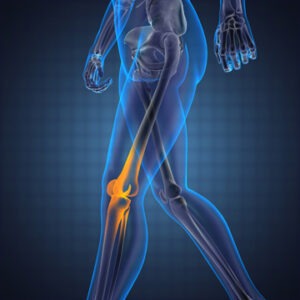
Understanding Knee Replacement Surgery

Knee replacement surgery, also known as knee arthroplasty, is a medical procedure that involves replacing a damaged or worn-out knee joint with an artificial implant. It is typically recommended for individuals who experience chronic knee pain and limited mobility due to conditions such as osteoarthritis, rheumatoid arthritis, or a knee injury.

During the surgery, the damaged cartilage and bone in the knee joint are removed, and the artificial implant is placed in its position. This implant is designed to replicate the function of a natural knee joint, allowing for improved stability, reduced pain, and increased range of motion.

Recovering from knee replacement surgery typically involves a period of physical therapy and rehabilitation to regain strength and flexibility in the knee. It may take several months to fully recover and experience the full benefits of the surgery.

It’s important to note that knee replacement surgery is a major procedure and should not be taken lightly. It is typically recommended when other conservative treatments, such as medication, physical therapy, or lifestyle modifications, have not provided sufficient relief.

If you are considering knee replacement surgery, it’s crucial to consult with a healthcare professional who can evaluate your individual case and provide guidance on the best course of action.

Breaking Down the Numbers: Average Age for Knee Replacement

When it comes to knee replacements, one common question is: at what age is it typically necessary? While there is no one-size-fits-all answer, we can break down some numbers to give you a better idea. According to studies, the average age for knee replacement surgery is around 68 years old. However, it’s important to note that age is just one factor to consider. The decision to undergo knee replacement surgery depends on a variety of factors, including the severity of your knee condition, your overall health, and the impact on your daily life. Some individuals may require a knee replacement at a younger age due to injuries or genetic factors, while others may not need one until they are older. Ultimately, the decision should be made in consultation with your healthcare professional, who can evaluate your individual case and provide guidance based on your specific needs.

Factors Influencing the Need for a Knee Replacement

When considering whether or not to undergo knee replacement surgery, there are several important factors that can influence this decision. One key factor is the severity of your knee condition. If you have advanced osteoarthritis or other degenerative conditions that significantly impact your daily life, a knee replacement may be necessary to improve your quality of life.

Another factor is your overall health. If you have existing health issues that could complicate the surgery or hinder your recovery, your healthcare professional may recommend against knee replacement. Additionally, your age can play a role. While age alone does not determine the need for a knee replacement, younger individuals may be more prone to injuries or have genetic factors that contribute to the need for surgery.

Lastly, the impact of your knee condition on your daily life is crucial. If your knee pain limits your ability to perform everyday activities or significantly affects your mobility, knee replacement surgery may be the right choice for you.

Remember, these factors should be discussed with your healthcare professional, who can evaluate your unique situation and provide guidance on whether or not knee replacement surgery is the best option for you.

Warning Signs: When It’s Time to Consider Surgery

If you’re experiencing chronic knee pain, it’s important to pay attention to warning signs that may indicate it’s time to consider knee replacement surgery. One key sign is the persistent and worsening pain in your knee, even with conservative treatments such as medication or physical therapy. If your pain is severe and significantly impacting your daily life, it may be a sign that surgery is necessary.

Another warning sign is a decrease in your mobility and ability to perform everyday activities. If your knee pain is limiting your ability to walk, climb stairs, or participate in activities you enjoy, it may be time to consider surgery.

Additionally, if your knee condition is causing joint deformity, instability, or swelling that does not improve with conservative treatments, surgery may be necessary.

Remember, these warning signs should not be ignored. It’s important to consult with your healthcare professional, who can evaluate your specific situation and determine if knee replacement surgery is the best course of action for you.

Contact Surgeons Dr. Thomas, Dr. Pennington, and Dr. Limtong at the Knee and Shoulder Institute in Las Vegas, NV to Schedule an Appointment:

If you would like to schedule an appointment or learn more about the Knee and Shoulder Institute procedures & treatments,contact the office today click here.

Serving patients from and around greater Las Vegas, Lake Havasu, Bullhead City, Mesquite, Pahrump, Nevada

Skip the Scalpel: Why Physical Therapy May Be Your Solution to Knee Pain

Physical Therapy May Be Your Solution to Knee Pain | Las VegasKnee pain can be a debilitating condition, affecting people of all ages and lifestyles. Whether it’s caused by an injury, overuse, or a chronic condition like arthritis, knee pain can significantly impact one’s quality of life. Many individuals facing knee pain are often presented with the option of surgery as a solution. However, before going under the knife, it’s essential to explore other alternatives, such as physical therapy. In this blog post, we’ll dive into the benefits of physical therapy for knee pain and why it may be a better solution than surgery. At the practice of Steven C. Thomas, MD, Justin B. Limtong, DO and Donald W Pennington, DO. Our board-certified surgeons specialize in treating knee conditions in the Las Vegas area.

Understanding the Basics of Knee Pain and Treatment Options

Knee pain is a common ailment that can have a variety of causes, ranging from sports injuries to arthritis. Understanding the basics of knee pain is crucial in determining the most effective treatment options. 

First, it’s important to recognize the different types of knee pain. Acute knee pain, usually caused by an injury, can be sharp and sudden. On the other hand, chronic knee pain is ongoing and often related to conditions like osteoarthritis or tendinitis. 

Treatment options for knee pain vary depending on the severity and cause. Over-the-counter pain relievers and rest can help with mild cases. However, more severe knee pain may require professional intervention. Physical therapy is often recommended as a non-invasive and conservative approach to treating knee pain. Physical therapists are trained to assess and diagnose the underlying causes of knee pain, and develop personalized treatment plans to alleviate symptoms and improve function. 

In addition to physical therapy, other treatment options may include medication, injections, or, in severe cases, surgery. It’s important to consult with a healthcare professional to determine the most suitable treatment for your specific situation.

How Physical Therapy can Address Knee Pain

Physical therapy can be an effective solution for addressing knee pain. A skilled physical therapist will assess the underlying causes of your knee pain and develop a personalized treatment plan to target those issues. 

Physical therapy can address knee pain through a variety of techniques and exercises. This may include strengthening the muscles around the knee to provide better support, improving flexibility and range of motion, and utilizing modalities such as heat or cold therapy to reduce inflammation. 

Additionally, physical therapy can also focus on improving your overall biomechanics and movement patterns, which can help alleviate stress on the knee joint. Through specific exercises and movements, physical therapy can help correct any imbalances or weaknesses that may be contributing to your knee pain.

The goal of physical therapy is to reduce pain, improve function, and prevent future injuries. By addressing the root cause of your knee pain and providing targeted treatments, physical therapy can be a valuable alternative to surgery. It is important to consult with a physical therapist to determine the best course of action for your specific condition.

Comparing Physical Therapy and Surgery: Risks, Recovery and Results

When it comes to treating knee pain, the decision between physical therapy and surgery can be a tough one. It’s important to consider the risks, recovery time, and potential results of each option. 

Surgery is a more invasive approach that carries its own set of risks. There is always the possibility of complications during surgery, such as infection or blood clots. Recovery from surgery can also be a lengthy process, with weeks or even months of rehabilitation. While surgery may provide immediate relief for some individuals, it’s important to note that it doesn’t guarantee a complete resolution of pain or a return to full function.

On the other hand, physical therapy offers a non-invasive and conservative approach to treating knee pain. It focuses on addressing the underlying causes of pain and improving function through targeted exercises and techniques. Physical therapy has been shown to be effective in reducing pain, improving mobility, and preventing future injuries. Additionally, it carries fewer risks and typically has a shorter recovery time compared to surgery.

Ultimately, the decision between physical therapy and surgery should be made on an individual basis, taking into account the severity of the condition, personal preferences, and the recommendations of healthcare professionals. It’s important to have a thorough discussion with your healthcare provider to weigh the pros and cons of each option and determine the best course of action for your specific situation.

Making the Decision: When is Surgery Necessary?

When it comes to deciding whether or not to undergo surgery for knee pain, there are a few key factors to consider. First and foremost, the severity of your condition plays a significant role. In some cases, surgery may be necessary if there is extensive damage or structural issues within the knee joint that cannot be adequately addressed through conservative methods like physical therapy. 

Another important factor to consider is your personal preferences and goals. Surgery is a major decision that comes with risks and a longer recovery time. If you are looking for a more non-invasive and conservative approach to treating your knee pain, physical therapy may be the better option. 

Ultimately, the best course of action is to consult with a healthcare professional who can assess your specific situation and provide guidance based on their expertise. They can help you weigh the pros and cons of surgery versus physical therapy and make an informed decision that aligns with your needs and goals.

Contact Surgeons Dr. Thomas, Dr. Pennington, and Dr. Limtong at the Knee and Shoulder Institute in Las Vegas, NV to Schedule an Appointment:

If you would like to schedule an appointment or learn more about the Knee and Shoulder Institute procedures & treatments,contact the office today click here.

Serving patients from and around greater Las Vegas, Lake Havasu, Bullhead City, Mesquite, Pahrump, Nevada

When To See an Orthopedic Surgeon for Your Shoulder Pain

When To See an Orthopedic Surgeon for Your Shoulder Pain | Las VegasShoulder pain can be a debilitating condition that affects daily activities and quality of life. Whether it’s caused by arthritis, bursitis, or other underlying issues, it’s important to seek proper treatment to alleviate discomfort and prevent further damage. While conservative measures such as physical therapy and medication may help, sometimes seeing an orthopedic surgeon is necessary for more advanced cases. In this blog post, we’ll discuss when it’s appropriate to seek the expertise of an orthopedic surgeon for your shoulder pain. 

At the practice of Steven C. Thomas, MD, Justin B. Limtong, DO and Donald W Pennington, DO. Our board-certified surgeons specialize in treating shoulder injuries in the Las Vegas area.

Understanding the Causes of Shoulder Pain: Arthritis and Bursitis

Understanding the causes of shoulder pain is crucial for effective treatment and management. Two common causes of shoulder pain are arthritis and bursitis.

Arthritis occurs when the protective cartilage in the joints wears down, leading to pain, inflammation, and stiffness. There are several types of arthritis that can affect the shoulder, including osteoarthritis, rheumatoid arthritis, and post-traumatic arthritis. Osteoarthritis is the most common form and is often caused by wear and tear on the joint over time. Rheumatoid arthritis, on the other hand, is an autoimmune disorder where the immune system mistakenly attacks the joints, including those in the shoulder. Post-traumatic arthritis can occur following an injury or trauma to the shoulder joint.

Bursitis is another common cause of shoulder pain. Bursae are small fluid-filled sacs that cushion the bones, tendons, and muscles around joints. When these sacs become inflamed, usually due to repetitive motions or trauma, it can result in bursitis. Bursitis can cause swelling, tenderness, and limited range of motion in the shoulder.

Understanding the specific cause of your shoulder pain is essential in developing an effective treatment plan. By seeking medical attention and consulting with an orthopedic surgeon, you can receive a proper diagnosis and personalized treatment options to alleviate your shoulder pain and improve your quality of life.

Signs and Symptoms: When is it time to Seek Medical Attention?

Shoulder pain can range from mild discomfort to severe, debilitating pain. It’s important to pay attention to the signs and symptoms that may indicate when it’s time to seek medical attention for your shoulder pain. While some cases of shoulder pain can be managed with rest, ice, and over-the-counter pain medication, certain symptoms should not be ignored.

One common red flag is persistent or worsening pain that doesn’t improve with self-care measures. If you’ve tried rest, icing, and over-the-counter medication for a few days and your pain is still present or getting worse, it may be time to see a doctor. Other signs that should prompt medical attention include difficulty or inability to move your shoulder, swelling or bruising around the joint, and weakness or numbness in the arm or hand.

Additionally, if your shoulder pain is accompanied by a high fever, unexplained weight loss, or signs of infection such as redness or warmth around the joint, you should seek immediate medical attention. These symptoms may indicate a more serious underlying condition that requires urgent evaluation and treatment.

Remember, everyone’s pain tolerance and threshold for seeking medical attention may vary, but if you’re experiencing any of these symptoms or if your pain is interfering with your daily activities and quality of life, it’s always best to consult with a medical professional. They can help diagnose the cause of your shoulder pain and develop a treatment plan tailored to your specific needs.

By recognizing the signs and symptoms that warrant medical attention, you can take the necessary steps to alleviate your shoulder pain and improve your overall well-being.

The Role of an Orthopedic Surgeon in Diagnosing and Treating Shoulder Disorders

When it comes to diagnosing and treating shoulder disorders, orthopedic surgeons play a vital role. These specialized doctors have extensive training and expertise in the musculoskeletal system, specifically in the diagnosis and treatment of conditions affecting the bones, joints, ligaments, muscles, and tendons. 

Orthopedic surgeons are equipped with the knowledge and tools to accurately diagnose the underlying cause of your shoulder pain. They will perform a thorough examination, review your medical history, and may order imaging tests such as X-rays or MRIs to get a clearer picture of what’s going on inside your shoulder. With their expertise, they can identify if your pain is due to arthritis, bursitis, or another shoulder disorder.

Once a diagnosis is made, orthopedic surgeons can develop a personalized treatment plan tailored to your specific needs. This may include a combination of non-surgical treatments such as physical therapy, medication, and lifestyle modifications. However, in more advanced cases where conservative measures have been exhausted, they may recommend surgical interventions such as shoulder arthroscopy or joint replacement.

Orthopedic surgeons also play a critical role in guiding you through the recovery process after surgery. They will provide post-operative care instructions, monitor your progress, and prescribe physical therapy to help you regain strength, mobility, and function in your shoulder.

Overall, orthopedic surgeons are essential in diagnosing, treating, and managing shoulder disorders. Their expertise and specialized training ensure that you receive the most appropriate and effective care for your shoulder pain, allowing you to regain control of your life and improve your overall well-being.

Potential Treatment Options for Arthritis and Bursitis in the Shoulder

When it comes to treating arthritis and bursitis in the shoulder, there are a variety of options available to help alleviate pain and improve function. The specific treatment approach will depend on the severity of the condition, the underlying cause, and individual factors such as age and overall health.

In many cases, conservative measures will be the first line of treatment. This may include rest, ice, physical therapy exercises, and over-the-counter pain medications. Physical therapy can be especially beneficial for improving range of motion, strengthening the muscles around the shoulder joint, and reducing inflammation. In some cases, corticosteroid injections may also be used to provide temporary relief from pain and inflammation.

For more advanced cases or when conservative measures have been unsuccessful, surgical intervention may be recommended. In the case of arthritis, shoulder arthroscopy or joint replacement surgery may be performed to repair damaged cartilage or replace the entire joint. Bursitis, on the other hand, may require a bursectomy, which involves removing the inflamed bursa.

It’s important to note that the best treatment approach will be determined by your orthopedic surgeon based on your specific condition and needs. They will consider factors such as the severity of your symptoms, your level of activity, and any other underlying medical conditions you may have.

Overall, the goal of treatment is to reduce pain, improve function, and enhance your overall quality of life. By working closely with your orthopedic surgeon, you can develop a personalized treatment plan that addresses your specific needs and helps you get back to doing the activities you love.

Importance of Early Detection and Treatment

Early detection and treatment of shoulder pain is crucial for a number of reasons. First and foremost, addressing the issue early on can prevent further damage and complications. Shoulder pain, if left untreated, can worsen over time and lead to more severe conditions that may require more invasive interventions. By seeking medical attention at the first signs of shoulder pain, you can increase the likelihood of successful treatment and minimize the risk of long-term complications.

Additionally, early treatment can help alleviate discomfort and improve your quality of life. Shoulder pain can be debilitating, impacting your ability to perform daily activities, work, and enjoy recreational pursuits. By addressing the problem early on, you can reduce pain, restore function, and regain control over your life.

Furthermore, early detection and treatment can lead to more conservative and less invasive treatment options. In many cases, early-stage shoulder conditions can be effectively managed with non-surgical interventions such as physical therapy, medication, and lifestyle modifications. These options are typically less burdensome and carry fewer risks than surgical interventions. By seeking treatment early, you may be able to avoid or delay the need for surgery.

In summary, early detection and treatment of shoulder pain is crucial for preventing further damage, reducing pain, and improving your quality of life. If you’re experiencing shoulder pain, don’t delay seeking medical attention. By taking action early on, you can increase the chances of successful treatment and minimize the impact of shoulder pain on your daily activities and overall well-being.

Contact Surgeons Dr. Thomas, Dr. Pennington, and Dr. Limtong at the Knee and Shoulder Institute in Las Vegas, NV to Schedule an Appointment:

If you would like to schedule an appointment or learn more about the Knee and Shoulder Institute procedures & treatments,contact the office today click here.

Serving patients from and around greater Las Vegas, Lake Havasu, Bullhead City, Mesquite, Pahrump, Nevada