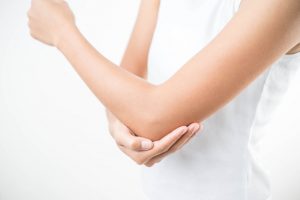
 Elbow pain is a frustrating and common problem for athletes of all ages. Whether you throw, lift, swing, or perform repetitive motions, the elbow joint endures tremendous stress—and injuries can occur gradually or suddenly. At T&P Orthopedics and Sports Medicine, our team evaluates and treats the most frequent causes of elbow pain so athletes can recover quickly and return to peak performance.
Why Athletes Experience Elbow Pain
The elbow is a complex hinge joint formed by the humerus, ulna, and radius. It is supported by ligaments, tendons, and muscles that allow for powerful and precise movements. In sports, repetitive use and strain can irritate or damage these structures, leading to pain and dysfunction.
Common Causes of Elbow Pain in Athletes
1. Tennis Elbow (Lateral Epicondylitis)
Caused by overuse of the forearm muscles, resulting in pain on the outer part of the elbow.
Common in: tennis players, pickleball athletes, weightlifters, and even non-athletes with repetitive gripping motions.
2. Golfer’s Elbow (Medial Epicondylitis)
Affects the tendons on the inside of the elbow.
Common in: golfers, baseball players, climbers, and athletes who perform repetitive wrist flexion.
3. UCL Injuries
The ulnar collateral ligament can be strained or torn from repetitive throwing motions.
Common in: baseball pitchers and overhead athletes.
4. Olecranon Bursitis
Swelling of the elbow’s bursa sac, caused by pressure, impact, or repetitive leaning on the elbow.
5. Elbow Tendon Strains
Overuse during lifting, gripping, or swinging can lead to tendon inflammation or microtears.
6. Nerve Entrapment (Cubital Tunnel Syndrome)
Compression of the ulnar nerve, leading to numbness, tingling, or loss of grip strength.
How Elbow Pain Is Diagnosed
A thorough evaluation includes:
-
Medical history and symptom review
-
Physical exam to assess strength, tenderness, and range of motion
-
X-rays to check for bone issues
-
MRI or ultrasound to evaluate soft tissues
Effective Treatment Options
Rest & Activity Modification
Reducing the movements that aggravate the injury is often the first step.
Physical Therapy
Strengthening and stretching exercises help restore mobility and prevent future injuries.
Bracing or Splinting
Supports injured tissues and reduces strain during healing.
Medications
Anti-inflammatory medications may help with pain and swelling.
Injections
Corticosteroid or platelet-rich plasma (PRP) injections may reduce inflammation and promote healing for some conditions.
Surgery
For severe cases or ligament tears—such as UCL tears—surgical intervention may be recommended. Our orthopedic surgeons perform minimally invasive techniques whenever possible.
Preventing Elbow Injuries
Athletes can reduce the risk of elbow pain by:
-
Warming up thoroughly before activity
-
Strengthening forearm and upper-arm muscles
-
Using proper form and technique
-
Avoiding repetitive strain
-
Allowing adequate recovery time
Get Back in the Game
Elbow pain shouldn’t keep you on the sidelines. Whether your symptoms are new or persistent, T&P Orthopedics and Sports Medicine offers comprehensive diagnostics and tailored treatment options to help you recover safely.
Schedule a consultation today to evaluate your elbow pain and start your path toward pain-free performance. At the practice of Steven C. Thomas, MD and Donald W Pennington, DO, our board-certified surgeons specialize in orthopedic procedures in the Las Vegas area.
Contact Surgeons Dr. Thomas and Dr. Pennington at the Knee and Shoulder Institute in Las Vegas, NV to Schedule an Appointment:
If you would like to schedule an appointment or learn more about the Knee and Shoulder Institute procedures & treatments,contact the office today click here.
Serving patients from and around greater Las Vegas, Lake Havasu, Bullhead City, Mesquite, Pahrump, Nevada
 An ACL tear is one of the most common and significant knee injuries, especially among athletes and active individuals. The
  An
An  Arthroscopy is one of the most common orthopedic procedures performed today. This minimally invasive technique allows surgeons to see inside a joint using a small camera and specialized instruments, making it possible to diagnose and treat many conditions with less trauma than open surgery. But while
 If
If